
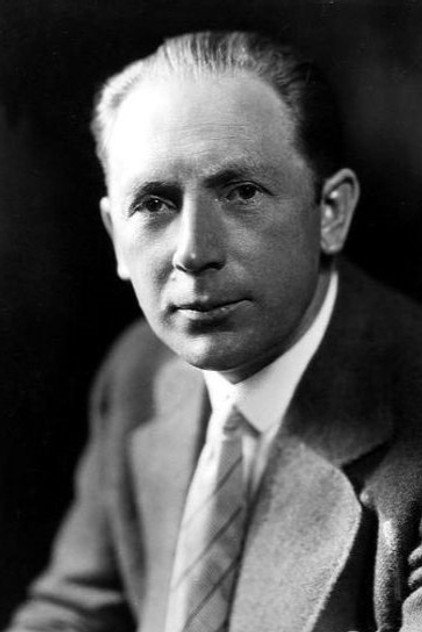
F. W. Murnau
- Regia
- 28 dicembre 1888 · Bielefeld, North-Rhine-Westphalia, Germany
- 11 marzo 1931
Biografia
Friedrich Wilhelm “F. W.” Murnau (December 28, 1888 – March 11, 1931) was one of the most influential German film directors of the silent era, and a prominent figure in the expressionist movement in German cinema during the 1920s. Although some of Murnau’s films have been lost, most still survive. While the horror film Nosferatu (1922) is his most famous work, the romantic melodrama Sunrise: A Song of Two Humans (1927) is his critically most acclaimed; the British Film Institute's 2012 Sight & Sound critics' poll named it the fifth-best film in the history of motion pictures. Murnau's characteristics are an atmospheric imagery and an innovative use of camera movement. Andrew Sarris in his influential book of film criticism The American Cinema: Directors and Directions 1929–1968 included him in the "pantheon" of the 14 greatest film directors who had worked in the United States.
Noto per
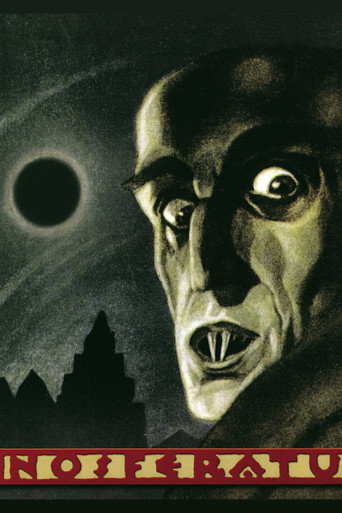
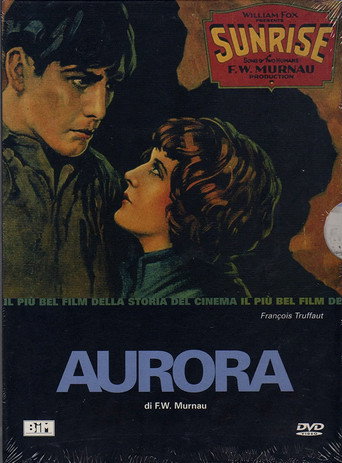
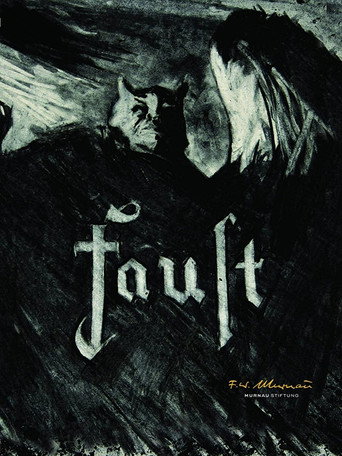



Filmografia
- Synthwave Horror: Nosferatu · Regia
- Kitsune · Ringraziamenti
- Murnau, Borzage and Fox · In persona
- Der Weg nach Murnau · In persona
- Los 5 Faust de F. W. Murnau · In persona
- Nosferatu: The First Vampire · Regia
- Treibjagd in der Südsee · Regia
- Tabù · Produzione, Regia
- Die zwölfte Stunde · Regia
- Il nostro pane quotidiano · Regia
- Die Filmstadt Hollywood · In persona
- 4 Devils · Regia
- Aurora · Dancer (uncredited), Regia
- Faust · Regia
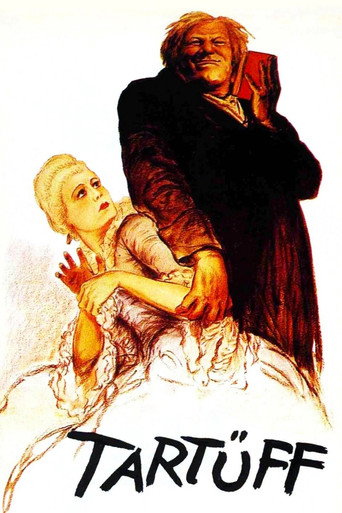
- Tartufo · Regia
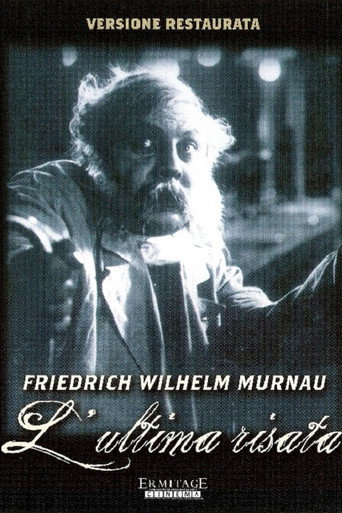
- L'ultima risata · Regia
- Komödie des Herzens · Sceneggiatura
- Der Film im Film · In persona
- Die Finanzen des Großherzogs · Regia
- Die Austreibung · Regia
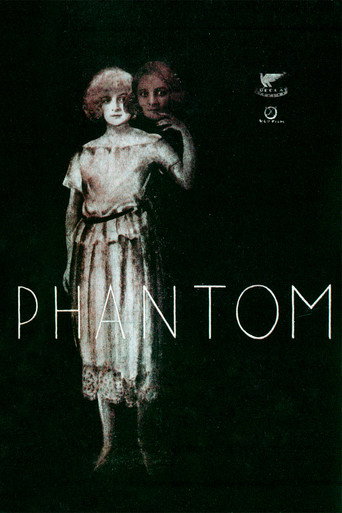
- Fantasma · Regia
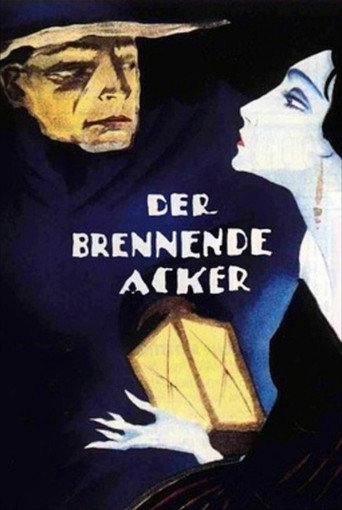
- La terra che brucia · Regia
- Nosferatu, il vampiro · Regia
- Marizza, genannt die Schmuggler-Madonna · Regia
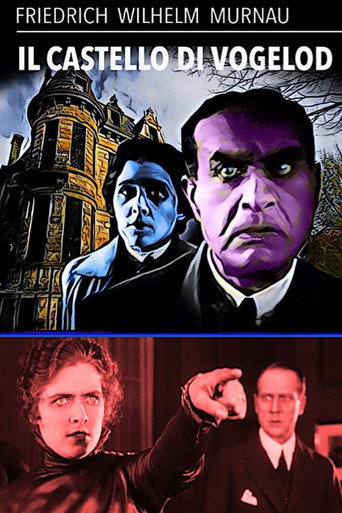
- Il castello di Vogelod · Regia
- Der Knabe in Blau · Regia
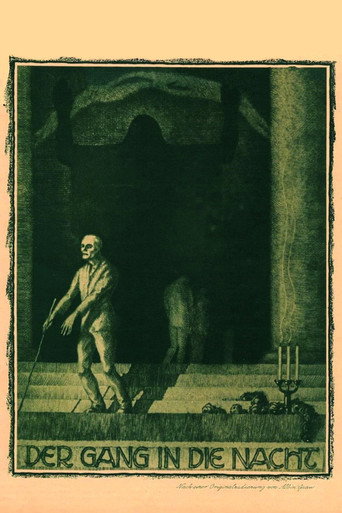
- Il cammino nella notte · Regia
- Sehnsucht · Regia
- Abend – Nacht – Morgen · Regia
- Der Janus-Kopf · Regia
- Der Bucklige und die Tänzerin · Regia
- Satanas · Regia