
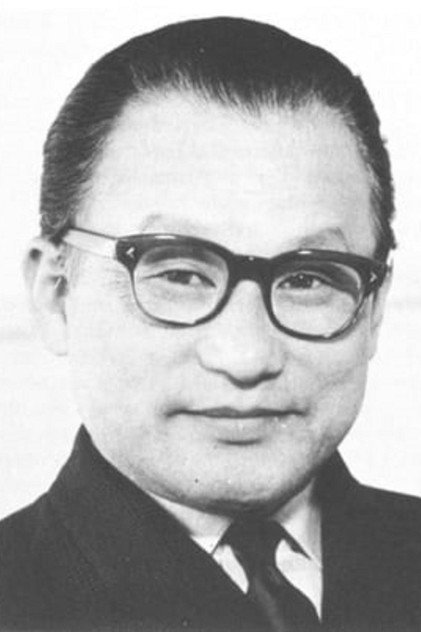
Kazuo Miyagawa
- Camera
- February 25, 1908 · Kyoto, Japan
- August 7, 1999
Biography
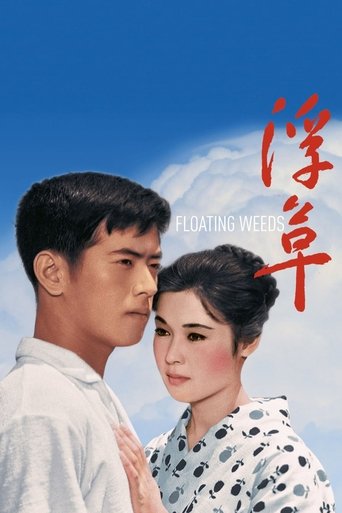
Kazuo Miyagawa (宮川 一夫 Miyagawa Kazuo, February 25, 1908 – August 7, 1999) was an acclaimed Japanese cinematographer. Miyagawa is best known for his tracking shots, particularly those in Rashomon (1950), the first of his three collaborations with preeminent filmmaker Akira Kurosawa. He also worked on films by major directors Kenji Mizoguchi, Yasujirō Ozu, and Kon Ichikawa, such as Ugetsu Monogatari (1953), Floating Weeds (1959) and the documentary Tokyo Olympiad (1965) respectively. Miyagawa is regarded as having invented the cinematographic technique known as bleach bypass, for Ichikawa's 1960 film Her Brother.
Known for
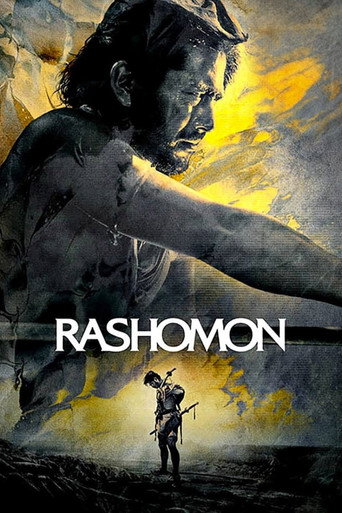
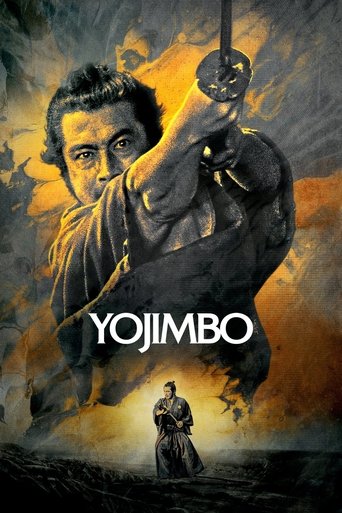
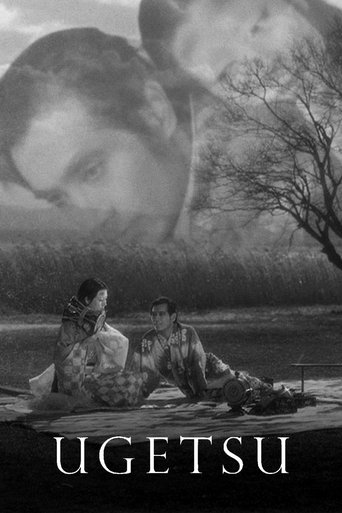

Filmography
- The World of Kazuo Miyagawa · Self
- The Dancer · Cinematography
- Gonza the Spearman · Cinematography
- MacArthur's Children · Cinematography
- The Love Suicides at Sonezaki · Cinematography
- Island of the Evil Spirits · Cinematography
- Ballad of Orin · Cinematography
- The Possessed · Cinematography
- Kenji Mizoguchi: The Life of a Film Director · Self
- Akumyo: Notorious Dragon · Cinematography
- Hanzo the Razor: The Snare · Cinematography
- Lone Wolf and Cub: Baby Cart in Peril · Cinematography
- The Fearless Avenger · Cinematography
- The Trail of Blood · Cinematography
- Silence · Cinematography
- Zatoichi Goes to the Fire Festival · Cinematography
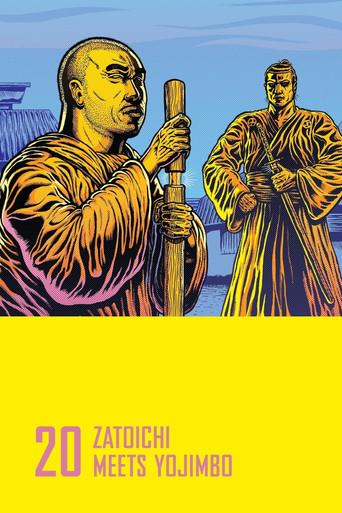
- Zatoichi Meets Yojimbo · Cinematography
- The Magoichi Saga · Cinematography
- Devil's Temple · Cinematography
- 出獄四十八時間 · Cinematography
- The Funeral Racket · Cinematography
- Zatoichi and the Fugitives · Cinematography
- A Killer's Key · Cinematography
- Zatoichi the Outlaw · Cinematography
- A Certain Killer · Cinematography
- The Little Runaway · Cinematography
- Zatoichi's Vengeance · Cinematography
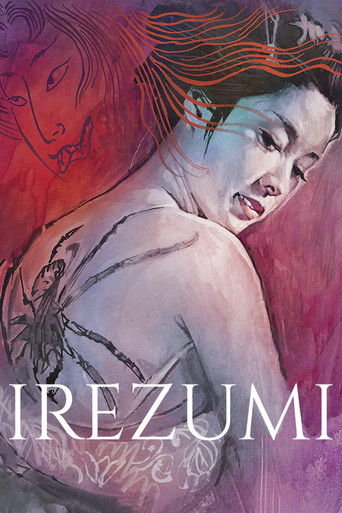
- Irezumi · Cinematography
- Tokyo Olympics (International Version) · Cinematography
- Tokyo Olympiad · Cinematography
- Bloody Shuriken · Cinematography
- The Life of a Chivalrous Man in Suruga: Broken Swords · Cinematography
- The Money Dance · Cinematography
- Zatoichi and the Chest of Gold · Cinematography
- Bamboo Doll of Echizen · Cinematography
- Rabble Tactics · Cinematography
- The Third Will · Cinematography
- The Broken Commandment · Cinematography
- Bad Reputation Returns · Cinematography
- Tough Guy · Cinematography
- The Gambler's Code · Cinematography
- Yojimbo · Cinematography
- Marriageable Age · Cinematography
- Her Brother · Cinematography
- Scarred Yosaburo · Cinematography
- Bonchi · Cinematography
- A Woman's Testament · Cinematography
- Floating Weeds · Cinematography
- Odd Obsession · Cinematography
- The Woman and the Pirate · Cinematography
- The Gay Masquerade · Cinematography
- Conflagration · Cinematography
- Akado Suzunosuke vs. the Birdman with 3 Eyes · Cinematography
- Princess Tsuki · Cinematography
- Night Butterflies · Cinematography
- Love of the Princess · Cinematography
- New Tale of Genji: Shizuka and Yoshitsune · Cinematography
- Undercurrent · Cinematography
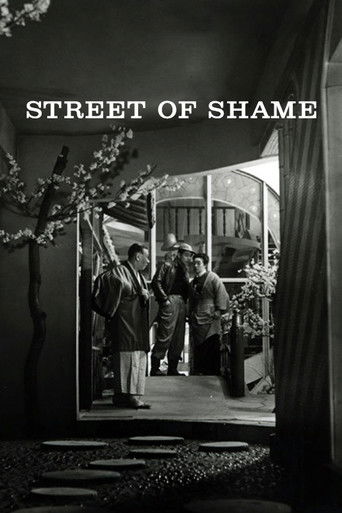
- Street of Shame · Cinematography
- I Was Tokichiro · Cinematography
- Taira Clan Saga · Cinematography
- Tenka o nerau bishōnen · Cinematography
- The Second Son · Cinematography
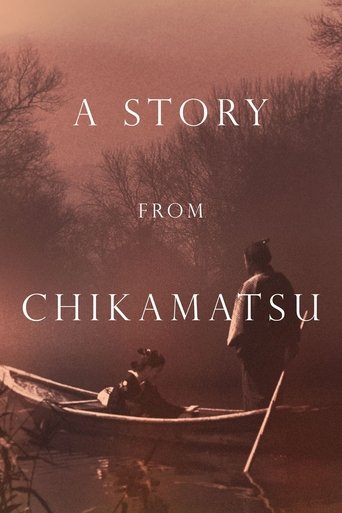
- Chikamatsu Monogatari · Cinematography
- The Woman in the Rumor · Cinematography
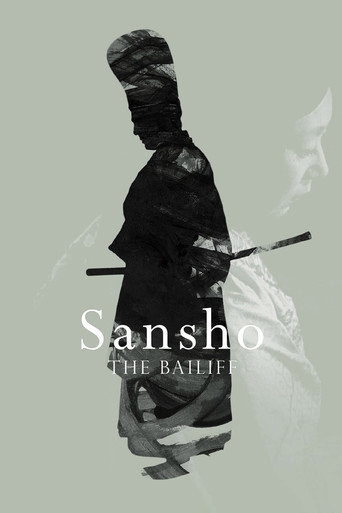
- Sansho the Bailiff · Cinematography
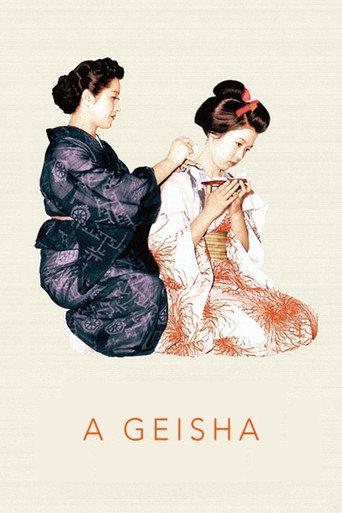
- A Geisha · Cinematography
- Desire · Cinematography
- Ugetsu · Cinematography
- Reminiscence · Cinematography
- Suttobi kago · Cinematography
- Sisters of Nishijin · Cinematography
- Duel at Omagatsuji · Cinematography
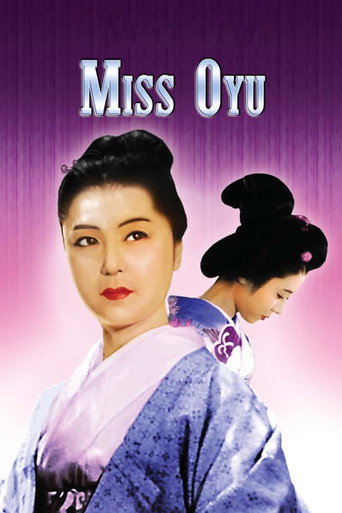
- Miss Oyu · Cinematography
- A Spectacular Murder · Cinematography
- Rashomon · Cinematography
- Rain on Jogashima · Cinematography
- Song of Love · Cinematography
- Hebi hime dōchū · Additional Director of Photography
- Onna goroshi abura jigoku · Cinematography