
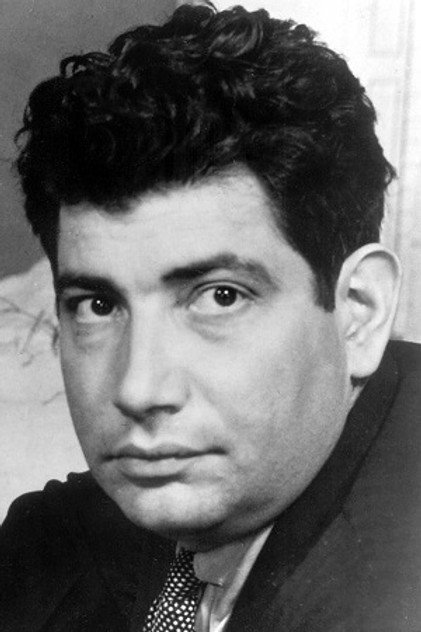
Edgar G. Ulmer
- Regia
- 17 settembre 1904 · Olmütz, Moravia, Austria-Hungary [now Olomouc, Czech Republic]
- 30 settembre 1972
Biografia
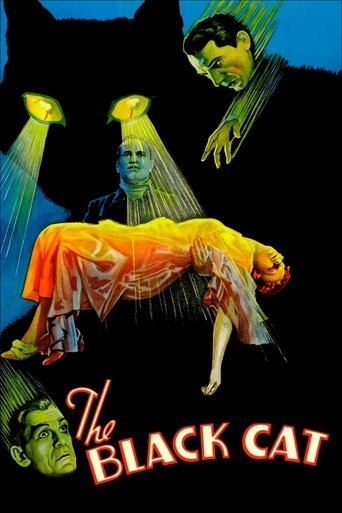
From Wikipedia, the free encyclopedia. Edgar Georg Ulmer (September 17, 1904 – September 30, 1972) was an Austrian-American film director. He is best remembered for the movies The Black Cat (1934) and Detour (1945). These stylish and eccentric works have achieved cult status, whereas Ulmer's other films remain relatively unknown. The first feature he directed in North America, Damaged Lives (1933), was a low-budget exploitation film exposing the horrors of venereal disease. His next film, The Black Cat (1934), starring Béla Lugosi and Boris Karloff, was made for a major studio, Universal Pictures. Demonstrating the striking visual style that would be Ulmer's hallmark, the film was Universal's biggest hit of the season. Ulmer, however, had begun an affair with Shirley Beatrice Kassler, who had been married since 1933 to independent producer Max Alexander, nephew of Universal studio head Carl Laemmle. Kassler's divorce in 1936 and her marriage to Ulmer later the same year led to his being exiled from the major Hollywood studios. Ulmer was relegated to making B movies at Poverty Row production houses. His wife, now Shirley Ulmer, acted as script supervisor on nearly all of these films, and she wrote the screenplays for several. Their daughter, Arianne, appeared as an extra in several of his films. Consigned to the fringes of the U.S. motion picture industry, Ulmer specialized first in "ethnic films," notably in Ukrainian—Natalka Poltavka (1937), Cossacks in Exile (1939)—and Yiddish—The Light Ahead (1939), Americaner Shadchen (1940). The best-known of these ethnic films is the Yiddish Green Fields (1937), co-directed with Jacob Ben-Ami. Ulmer eventually found a niche making melodramas on tiny budgets and with often unpromising scripts and actors for Producers Releasing Corporation (PRC), with Ulmer describing himself as "the Frank Capra of PRC". His PRC thriller Detour (1945) has won considerable acclaim as a prime example of low-budget film noir, and it was selected by the Library of Congress among the first group of 100 American films worthy of special preservation efforts. In 1947, Ulmer made Carnegie Hall with the help of conductor Fritz Reiner, godfather of the Ulmers' daughter, Arianné. The film features performances by many leading figures in classical music, including Reiner, Jascha Heifetz, Artur Rubinstein, Gregor Piatigorsky and Lily Pons. Ulmer did get a chance to direct two films with substantial budgets, The Strange Woman (1946) and Ruthless (1948). The former, featuring a strong performance by Hedy Lamarr, is regarded by critics as one of Ulmer's best. In 1951 he directed a low-budget science-fiction film with a noirish tone, The Man from Planet X. In 1964 he directed his last film, The Cavern, in Italy. Description above from the Wikipedia article Edgar G. Ulmer, licensed under CC-BY-SA, full list of contributors on Wikipedia.
Noto per







Filmografia
- The Astrologer · Production Sound Mixer
- Sette contro la morte · Regia, Produzione
- The World's Greatest Sinner · Fotografia
- Antinea, l'amante della città sepolta · Set Designer, Regia
- Al di là della barriera del tempo · Regia
- The Amazing Transparent Man · Regia
- Annibale · Regia
- The Naked Venus · Regia
- Swiss Family Robinson: Lost in the Jungle · Adaptation, Regia
- La figlia del dott. Jekyll · Regia
- Der Meineidbauer · Produzione
- Fratelli messicani · Regia
- Murder Is My Beat · Regia
- L'amante di Paride · Regia
- I cavalieri dell'illusione · Regia
- Babes in Bagdad · Regia, Production Design
- St. Benny the Dip · Regia
- L'uomo dal pianeta X · Regia
- Belle giovani e perverse · Regia
- I pirati di Capri · Regia
- Il dominatore di Wall Street · Regia
- Sinfonie eterne · Regia
- Venere peccatrice · Sceneggiatura, Regia
- Her Sister's Secret · Regia
- La contessa di Montecristo · Regia, Adaptation
- Detour: deviazione per l'inferno · Regia
- Club Havana · Regia
- Sangue nel sogno · Regia
- La follia di Barbablù · Regia
- Minstrel Man · Second Unit Director, Regia
- Jive Junction · Regia
- Danger! Women at Work · Soggetto
- Isle of Forgotten Sins · Regia, Sceneggiatura
- Il pazzo di Hitler · Sceneggiatura, Production Design
- Girls in Chains · Soggetto, Regia
- My Son, The Hero · Regia, Sceneggiatura
- Corregidor · Soggetto, Sceneggiatura
- Turbosupercharger: Flight Operation · Regia
- The Turbosupercharger - Master of the sky · Regia
- Tomorrow We Live · Regia
- Prisoner of Japan · Soggetto
- Another to Conquer · Regia
- Goodbye, Mr. Germ · Regia, Produzione
- Diagnostic Procedures in Tuberculosis · Regia
- They Do Come Back · Regia
- Cloud in the Sky · Regia, Sceneggiatura
- Americaner Shadchen · Regia, Produzione
- Way Down South · Art Direction
- Fishke der Krumer · Regia, Sceneggiatura
- Moon Over Harlem · Produzione, Regia
- Let My People Live · Sceneggiatura, Regia
- Zaporozhets za Dunayem · Regia
- Yankl Der Schmid · Regia
- Natalka Poltavka · Regia
- גרינע פֿעלדער · Regia
- From Nine to Nine · Regia, Soggetto
- Resurrezione · Sceneggiatura
- Thunder Over Texas · Regia
- I Can't Escape · Second Unit
- The Black Cat · Soggetto, Regia
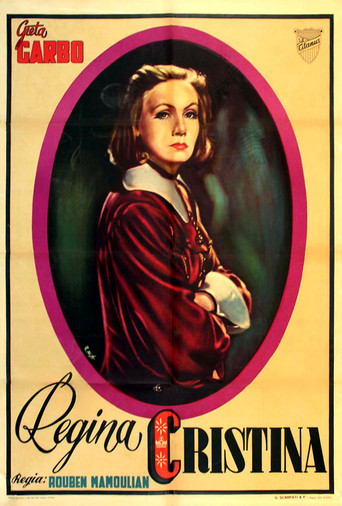
- La regina Cristina · Production Design
- Damaged Lives · Regia, Sceneggiatura
- Kleiner Mann – was nun? · Set Designer
- Afraid to Talk · Art Direction
- Tabù · Production Manager, Sceneggiatura
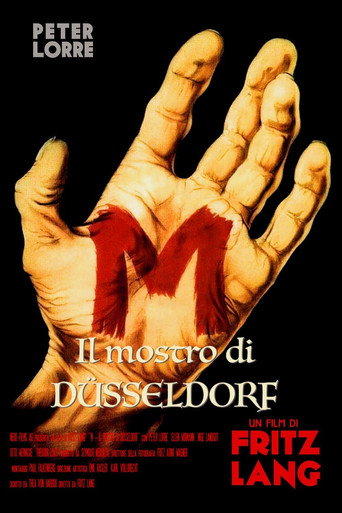
- M - Il mostro di Düsseldorf · Set Designer
- Aloha · Assistant Director
- The Secret Six · Production Design
- Uomini di domenica · Regia, Produzione esecutiva
- Il nostro pane quotidiano · Assistant Art Director
- Spiel um den Mann · Art Direction
- Flucht in die Fremdenlegion · Art Direction, Line Producer
- 4 Devils · Assistant Art Director
- La via del male · Set Designer
- L'inafferrabile · Set Designer
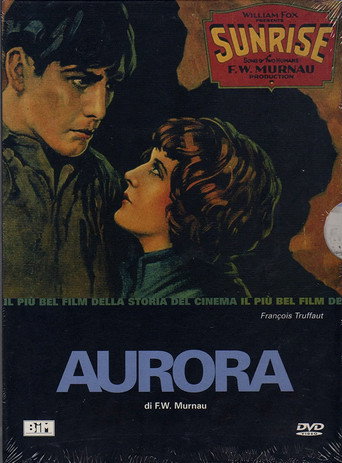
- Aurora · Assistant Art Director
- Metropolis · Set Designer
- The Border Sheriff · Assistant Director
- Il ventaglio di Lady Windermere · Art Direction
- La via senza gioia · Set Designer