
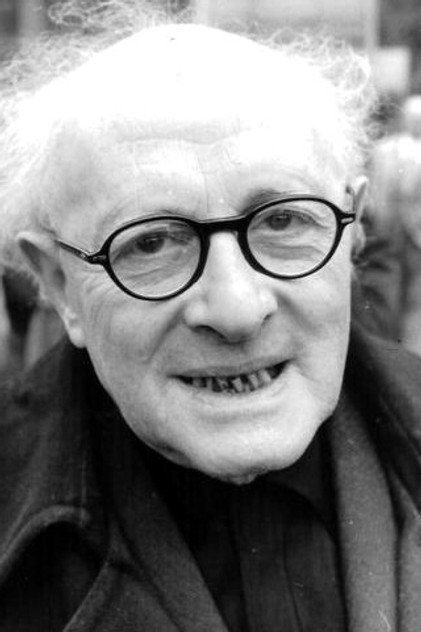
Jean Wiener
- Sound
- March 19, 1896 · Paris, France
- June 8, 1982
Biography
Jean Wiener (or Wiéner) (19 March 1896, 14th arrondissement of Paris – 8 June 1982, Paris) was a French pianist and composer. Wiener was trained at the Conservatoire de Paris, where he studied alongside Darius Milhaud, and worked with Erik Satie. He then embarked on a career as concert impresario, composer and pianist. He was the house pianist at the Gaya bar, and later at Le Boeuf sur le Toit. In 1924, a chance encounter with Clement Doucet (who succeeded him at Le Boeuf) brought him into the world of popular music. Already a jazz enthusiast, Wiener found fame with Doucet in the music hall s of Europe as a piano duo, under the name "Wiener et Doucet" in which they performed classical music, hot dance and jazz. The two friends recorded many duos between 1925 and 1937. After the end of the war in 1945, Wiener devoted himself fully to composition, notably film music (working on more than 300), as well as the opening theme music for ORTF's film history program "History speechless" (History without words). He was of some significance in the promotion of new music, both by his friends in the Les Six (Milhaud, Poulenc, etc.), and by composers such as Schoenberg, Berg and Webern. His compositions involve the use of jazz informed by French wit and elegance. His daughter, Elizabeth Wiener, is an actress, singer and singer-songwriter. Jean Wiener published his memoirs in 1978 as Allegro Appassionato. Source: Article "Jean Wiener" from Wikipedia in English, licensed under CC-BY-SA 3.0.
Known for

Filmography
- L'Âge de Monsieur est avancé · Music
- Le Crime d'amour · Music
- Love Letters in Somalia · Music
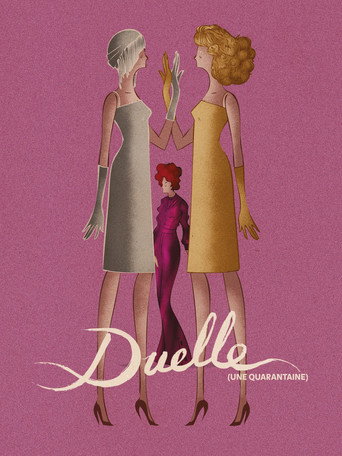
- Duelle (Une Quarantaine) · Au piano
- The Little Theatre of Jean Renoir · Music
- Midi trente · Self
- On the Lam · Music
- The Wedding Ring
- Samedi soir · Self
- The Demise of Father Mouret · Music
- Les Ajoncs · Music
- God Chose Paris · Music
- A Gentle Woman · Music
- Les deux coquines · Sound
- The Diary of an Innocent Boy · Music
- Mouchette · Music
- The Golem · Music
- Les filous · Music
- Au Hasard Balthazar · Music
- Merlusse · Music
- Lady L · Krajewski
- Our Agent Tiger · Music
- Quatrevingt-treize · Sound Director
- Pantalaskas · Music
- Stop the Massacre · Pianist
- Discorama · Self
- A Woman Like Satan · Music
- Be Beautiful and Shut Up · Music
- Neither Seen Nor Recognized · Music
- Seventh Heaven · Music
- Lovers of Paris · Music
- Notre Dame, cathédrale de Paris · Music
- La Garçonne · Music
- Les Lumières du soir · Music
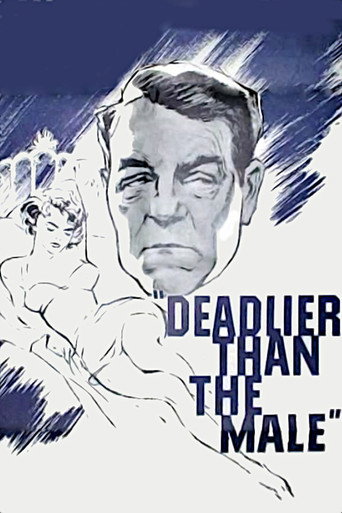
- Deadlier Than the Male · Music
- Rencontre à Varsovie · Music
- School for Love · Piano Teacher (uncredited), Music
- Station 307 · Music
- Touchez Pas au Grisbi · Music
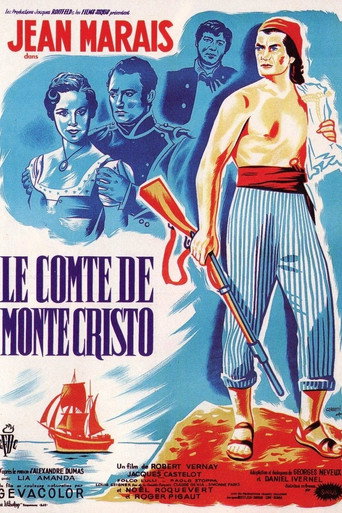
- The Count of Monte Cristo · Music
- Dust of Life · Music
- Je suis un mouchard · Music
- La Joie de vivre · Self
- Forgotten Stones · Music
- Under the Paris Sky · Music
- The Century Is Fifty · Music
- Rendezvous in July · Music
- The Perfume of the Lady in Black · Music
- L'Escadron blanc · Music
- The Mark of the Day · Music
- Zanzabelle in Paris · Music
- L'Homme Que Nous Aimons Le Plus · Music
- Panic · Music
- Back Streets of Paris · Music
- Nous continuons la France · Music
- The Lightning Rod Thief · Music
- The Passengers of Ursa Major · Music
- The Scarecrow · Music
- Le Voyageur de la Toussaint · Music
- The Heart of a Nation · (uncredited), Music
- Cristobal's Gold · Music
- The Last Turning · Music
- Behind the Facade · Pianist of the “Perroquet” (uncredited), Music
- The Woman at the End of the World · Music
- Le Messager de la lumière · Music
- De man zonder hart · Music
- Nights of Fire · Music
- L'Homme sans cœur · Music
- The Man of the Day · Music
- The Lower Depths · Music
- Quand minuit sonnera · Music
- Klokslag twaalf · Music
- The Tomboy · Music
- The Crime of Monsieur Lange · Music
- Le Voyage imprévu · Music
- La Bandera · Music
- Phénomènes électriques · Music
- The Adventurer · Music
- Maria Chapdelaine · Music
- S. S. Tenacity · Music