
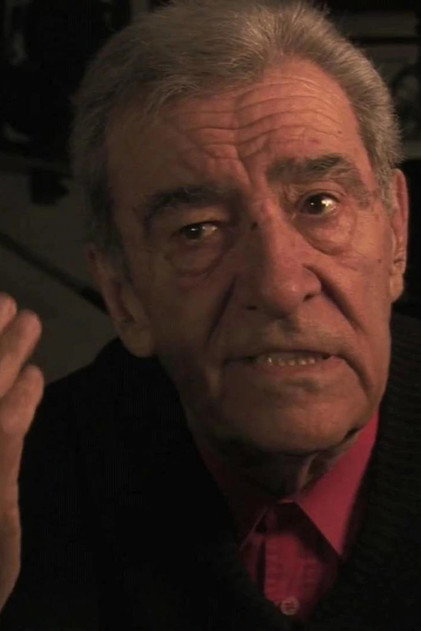
Marcello Gatti
- Camera
- February 9, 1924 · Rome, Italy
- November 26, 2013
Biography
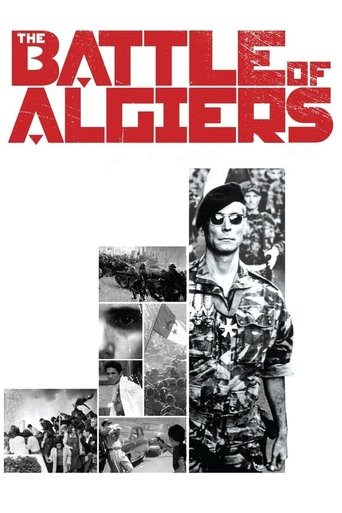
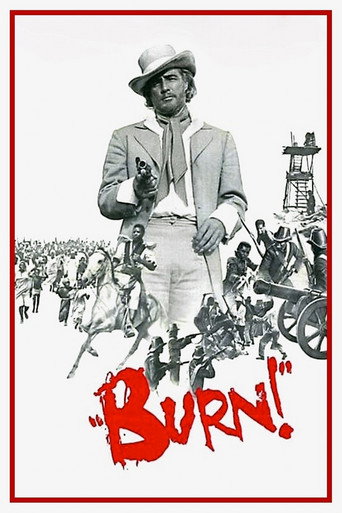
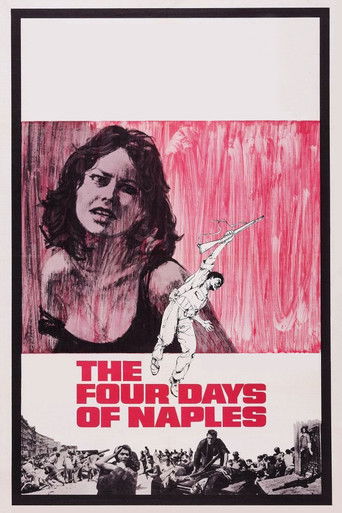
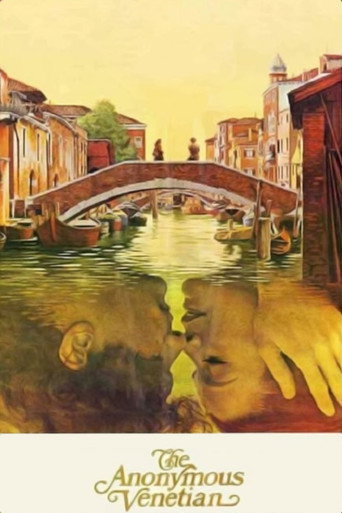
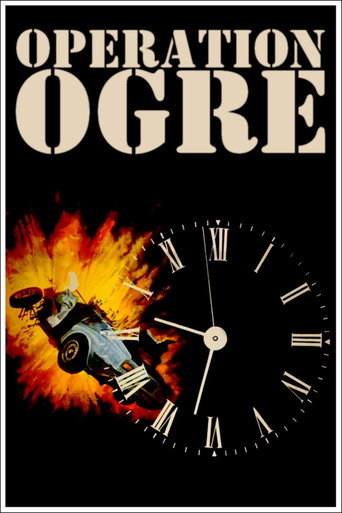
Marcello Gatti (Rome, February 9, 1924 - Rome, November 26, 2013) was an Italian cinematographer. He was one of Italy's most important cinematographers. During his long career, he won five Nastri d'argento, photographed two Oscar-nominated films The Battle of Algiers by Gillo Pontecorvo and The Four Days of Naples by Nanni Loy, and another Palme d'Or at Cannes Chronicle of the Embers years; he worked among others with Roman Polanski, Carlo Lizzani, George Pan Cosmatos and Giancarlo Giannini, who chose him for his directorial debut with Ternosecco. The film for which he is often remembered is The Battle of Algiers (1966), which won the Golden Lion at Venice and had three Oscar nominations, standing out precisely because of a memorable black-and-white, grainy, documentary photography inspired by the style of cinéma vérité [2] that Gatti had already begun to elaborate in Nanni Loy's Le quattro giornate di Napoli (1962), also nominated for an Oscar. With Pontecorvo he also shot Queimada and Ogro. After the success of The Battle of Algiers Roman Polański entrusted him with his 1972 Italian film Che?, starring Marcello Mastroianni. Mohammed Lakhdar-Hamina brought him back to Algeria to make Chroniques des années de braise, Palme d'Or at Cannes in 1975. Among the more than 150 films he worked on were several poliziotteschi, including Mark the Policeman and The Police Have Their Hands Tied; thrillers such as The Black-Bellied Tarantula; and comedies such as Mr. Robinson, Monstrous Story of Love and Adventure, Bluff - A Tale of Swindles and Swindlers, and Three Tigers vs. Of the five Nastri d'Argento he obtained, two he won in the same year, 1970, taking the prize both in the black and white category for Ansano Giannarelli's Sierra Maestra and in the color category for Enrico Maria Salerno's Anonimo veneziano. Remaining of his television work are Nanni Loy's Specchio segreto; scripts with Gianni Morandi such as Voglia di cantare; the fifth and sixth series of the crime thriller La piovra with Vittorio Mezzogiorno's poignant farewell; Carlo Lizzani's Assicurazione sulla morte; and Moses with Burt Lancaster. Always close to the ideals of the left, Gatti was arrested in 1943 for defacing a portrait of Mussolini on the walls of Cinecittà, being sentenced to five years in prison, later changed to confinement; and in 1968 he occupied the Centro sperimentale di cinematografia with students and other Italian film personalities such as Marco Bellocchio and Bernardo Bertolucci. He was a longtime president of the Italian Association of Cinematographers (Aic).
Known for

Filmography
- Beloved Days
- Marxist Poetry: The Making of The Battle of Algiers · Self
- Pontecorvo: The Dictatorship of Truth · Self
- Venere Paura · Cinematography
- Venetian Red · Cinematography
- Una vittoria · Cinematography
- Ternosecco · Cinematography
- Inganni · Cinematography
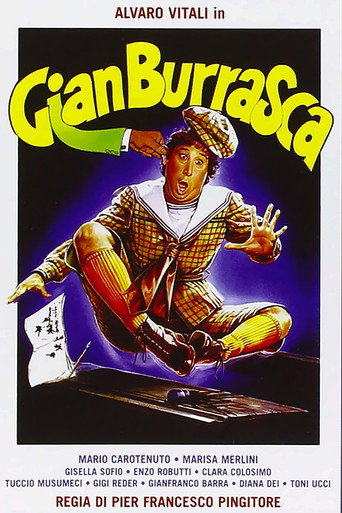
- Gian Burrasca · Assistant Camera
- Sandstorm · Assistant Director of Photography
- Delitti, amore e gelosia · Cinematography
- The Salamander · Cinematography
- Operation Ogre · Cinematography
- La carica delle patate · Cinematography
- Break Up · Cinematography
- Three Tigers Against Three Tigers · Cinematography
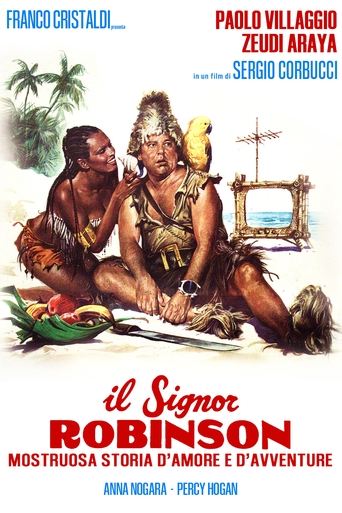
- Mr. Robinson · Cinematography
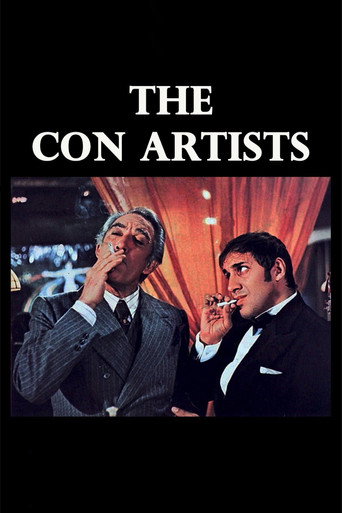
- The Con Artists · Cinematography
- Moses the Lawgiver · Cinematography
- Chi dice donna, dice donna · Cinematography
- Chronicle of the Years of Fire · Cinematography
- Love Under the Elms · Cinematography
- Blood, Sweat and Fear · Cinematography
- Killer Cop · Cinematography
- Moses the Lawgiver · Cinematography
- Amore e ginnastica · Cinematography
- Massacre in Rome · Cinematography
- Family Killer · Cinematography
- What? · Cinematography
- Girolimoni, the Monster of Rome · Cinematography
- The Hassled Hooker · Cinematography
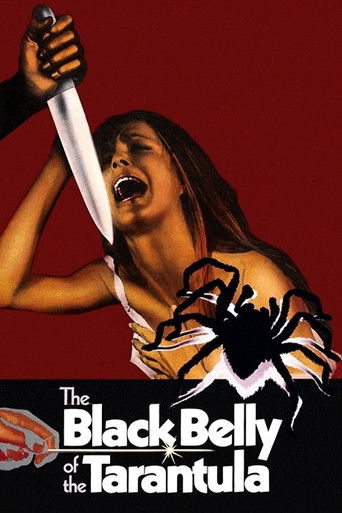
- The Black Belly of the Tarantula · Cinematography
- Bastard, Go and Kill · Cinematography
- Sin · Cinematography
- So Long Gulliver · Cinematography
- The Anonymous Venetian · Cinematography
- Burn! · Cinematography
- What Did Stalin Do to Women? · Cinematography
- Sierra Maestra · Cinematography
- The Protagonists · Cinematography
- The Strange Night · Cinematography
- L'Estate · Cinematography
- The Tall Women · Cinematography
- The Battle of Algiers · Cinematography
- Ruthless Colt of the Gringo · Cinematography
- Run for Your Wife · Second Unit Director of Photography
- I Kill, You Kill · Cinematography
- La Fuga · Cinematography
- Bianco, rosso, giallo, rosa · Cinematography
- Summer Frenzy · Cinematography
- I cuori infranti · Cinematography
- The Attic · Cinematography
- The Four Days of Naples · Cinematography
- Latin Lovers · Cinematography
- The Wonders of Aladdin · Second Assistant Camera
- A Day for Lionhearts · Cinematography
- Il peccato degli anni verdi · Camera Operator
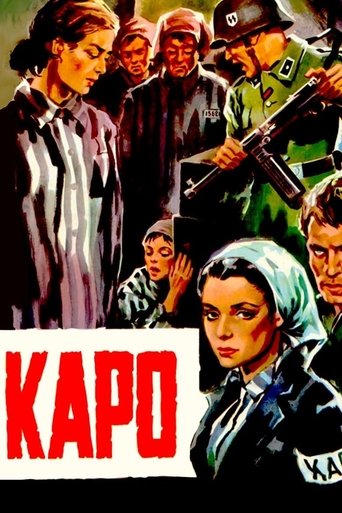
- Kapo · Camera Operator
- Via Tasso · Cinematography
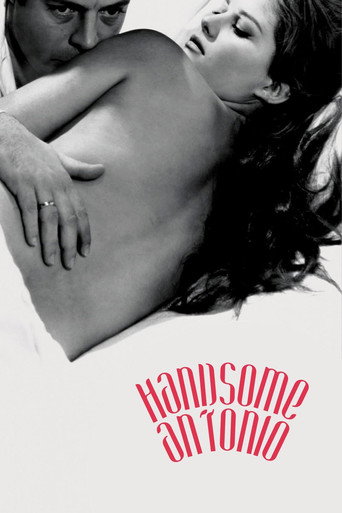
- Il bell'Antonio · Camera Operator
- The Big Night · Camera Operator
- Everyone's in Love · Camera Operator
- Dangerous Women · Camera Operator
- Young Husbands · Camera Operator
- Husbands in the City · Camera Operator
- The Window to Luna Park · Camera Operator
- The Screwball · Camera Operator
- Courtyard · Camera Operator
- Toto and Carolina · Camera Operator
- Lacrime d'amore · Camera Operator
- Violenza sul lago · Camera Operator
- In amore si pecca in due · Camera Operator
- Empty Eyes · Camera Operator
- Cronaca di un delitto · Camera Operator, Cinematography
- I, Hamlet · Camera Operator
- Abracadabra · Camera Operator
- Position Wanted · Camera Operator
- Vulcano · Assistant Camera
- William Tell · Camera Operator
- Gli assi della risata · Assistant Camera