
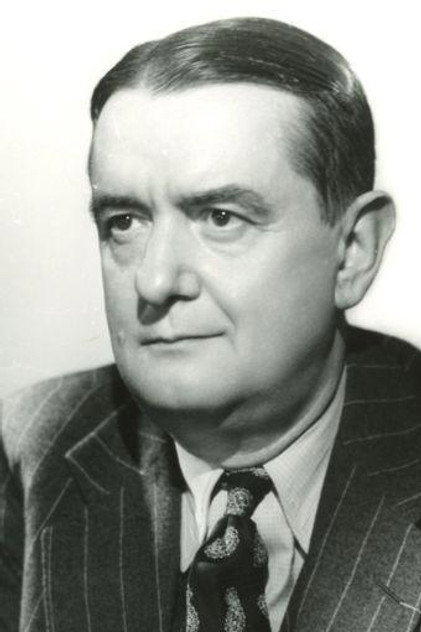
Georges Auric
- Suono
- 15 febbraio 1899 · Lodève, Hérault, France
- 23 luglio 1983
Biografia
Georges Auric (15 February 1899 – 23 July 1983) was a French composer, born in Lodève, Hérault, France. He was considered one of Les Six, a group of artists informally associated with Jean Cocteau and Erik Satie. Before he turned 20 he had orchestrated and written incidental music for several ballets and stage productions. He also had a long and distinguished career as a film composer. Georges Auric began his musical career at a young age, performing a piano recital at the Société musicale indépendante at the age of 14. Several songs that he had written were then performed in the following year by Société Nationale de Musique. Along with his early successes professionally, Auric studied music at the Paris Conservatoire, as well as composition with Vincent d'Indy at the Schola Cantorum de Paris and Albert Roussel. Having gained recognition as a child prodigy both in composition and piano performance, he became a protégé of Erik Satie during the following decade. During the 1910s and 20s, he was a significant contributor of avant-garde music in Paris and was significantly influenced by Cocteau and the other composers of Les Six. Auric's early compositions were marked by a reaction against the musical establishment and the use of referential material. Because of this and his association with Cocteau and Satie, Auric was grouped into Les Six by music critic Henri Collet, and was friends with the artist Jean Hugo. His participation led to writing settings of poetry and other texts as songs and musicals. Along with the other five composers, he contributed a piece to L'Album des Six. In 1921, Cocteau asked him to write the music for his ballet, Les Mariés de la tour Eiffel. He found himself short of time, so he asked his fellow composers of Les Six to contribute some music. All except Louis Durey agreed. During this time, he wrote his one-act opera Sous le masque (1927) (an earlier opera, La Reine de coeur (1919), is lost). It was also in 1927 that he contributed the Rondeau for the children's ballet L'Éventail de Jeanne, a collaboration between ten French composers. In 1952 he participated in yet another collaboration, the set of orchestral variations La Guirlande de Campra. Les Six, though an informal and short-lived group, became known for its reaction against the musical establishment of the time and the promotion of absurdism and satire; the group rebelled similarly against Wagner as it did against Debussy. The music of these composers, including Auric, represented the specific cultural scene of Paris at the time and rejected the international styles brought by Russian and German music, as well as the impressionism and symbolism of Debussy. Auric's later development as a populist composer was prefigured by many of the techniques and ideals of Les Six, especially the use of popular music and situations. Music of the circus or the dance hall played a significant role in the music of Les Six, especially in their actual collaborations. However, Les Six soon drew apart, with Auric and others taking different approaches to their art. ... Source: Article "Georges Auric" from Wikipedia in English, licensed under CC-BY-SA 3.0.
Noto per
Filmografia
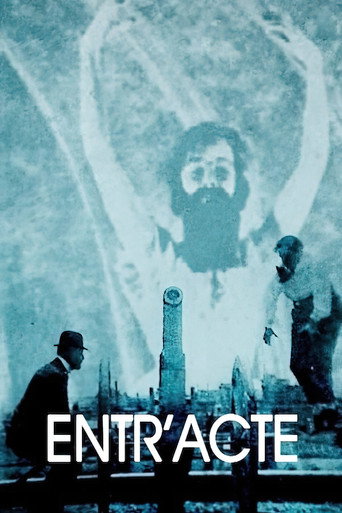
- Return to Reason: Four Films by Man Ray · In persona
- L'albero di Natale · Musica
- Therese and Isabelle · Musica
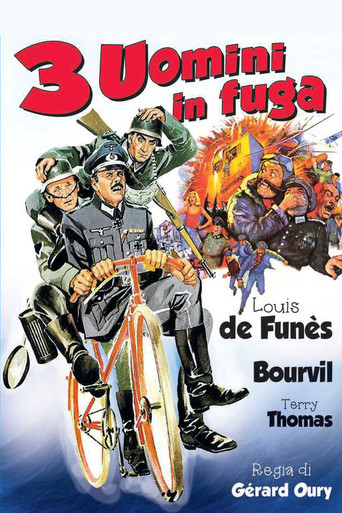
- Tre uomini in fuga · Musica
- Il papavero è anche un fiore · Musica
- L'Âge heureux · Musica
- Thomas l'imposteur · Musica
- Pour le plaisir · Self / Administrateur de l'Opéra de Paris
- Il cranio e il corvo · Musica
- Le Rendez-vous de minuit · Musica
- Carillons sans joie · Musica
- I peccatori della foresta nera · Musica
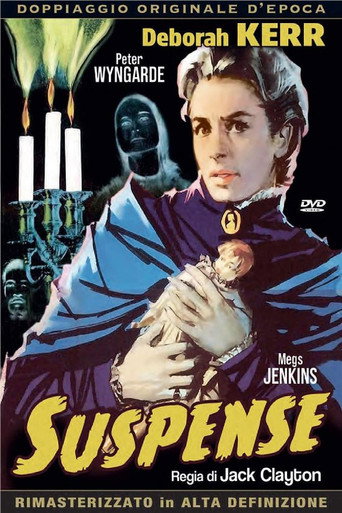
- Suspense · Musica
- Les croulants se portent bien · Musica
- Bridge to the Sun · Musica
- Le piace Brahms? · Musica
- Il testamento di Orfeo · Musica
- SOS Pacific · Musica
- Il viaggio · Musica
- Discorama · In persona
- L'amante pura · Musica
- Next to No Time · Musica
- Gli amanti del chiaro di luna · Musica
- Buongiorno tristezza! · Musica
- Walk Into Paradise · Musica
- Colui che deve morire · Musica
- Le vergini di Salem · Musica
- L'anima e la carne · Musica
- Il gobbo della cattedrale · Musica
- Le diavolerie di Till · Musica
- Gervaise · Musica
- Il mistero Picasso · Musica
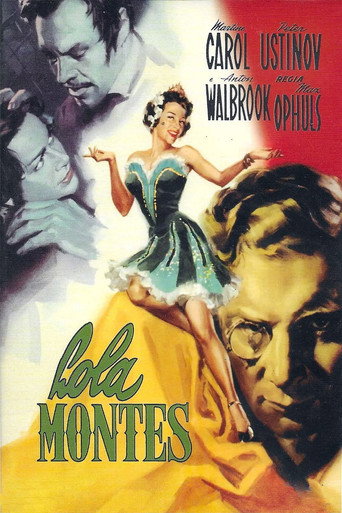
- Lola Montès · Musica
- The Bespoke Overcoat · Musica
- Il forzato della Guiana · Musica
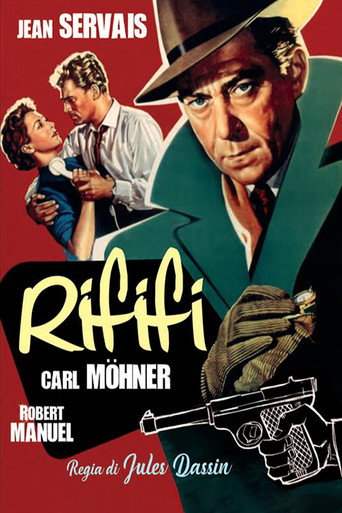
- Rififi · Musica
- Abdulla the Great · Musica
- Il figlio conteso · Musica
- La Chair et le Diable · Musica
- Uno strano detective · Musica
- L'età della violenza · Musica
- Schiavitù · Musica
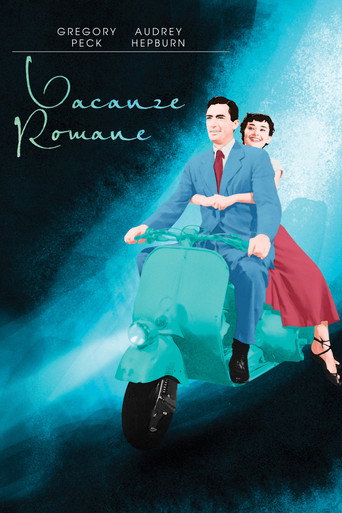
- Vacanze romane · Musica
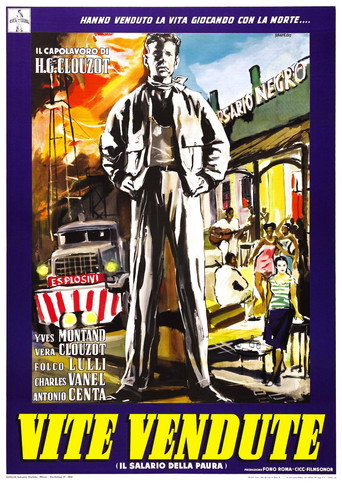
- Vite vendute · Musica, Music Director
- The Titfield Thunderbolt · Musica
- Henriette · Musica
- Moulin Rouge · Musica
- La P..... respectueuse · Musica
- Naso di cuoio - Gentiluomo d'amore · Musica
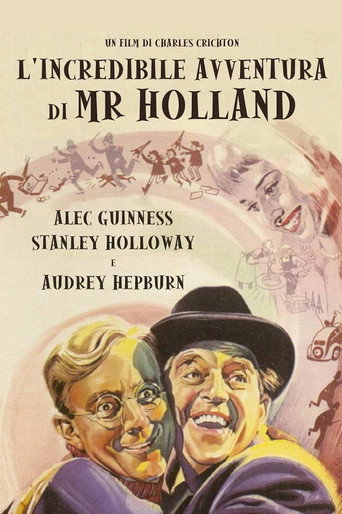
- L'incredibile avventura di Mr. Holland · Musica
- The Galloping Major · Musica
- Caroline chérie · Musica
- La gabbia d'oro · Musica
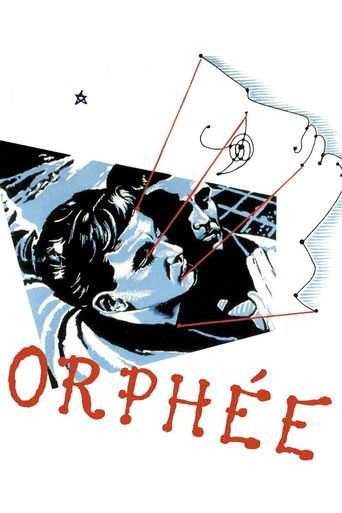
- Orfeo · Musica
- Ce siècle a cinquante ans · Musica
- Maya · Musica
- Il ragno e la mosca · Musica
- Passaporto per Pimlico · Musica
- La donna di picche · Musica
- Silent Dust · Musica
- Les Noces De Sable · Musica
- I parenti terribili · Musica
- Another Shore · Musica
- L'aquila a due teste · Musica
- Il mistero degli specchi · Musica
- Ruy Blas · Musica
- Piove sempre la domenica · Musica
- Les jeux sont faits · Musica
- Piccoli detectives · Musica
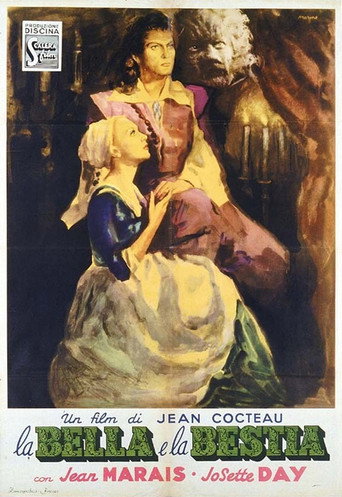
- La bella e la bestia · Musica
- La sinfonia pastorale · Musica
- Cesare e Cleopatra · Musica
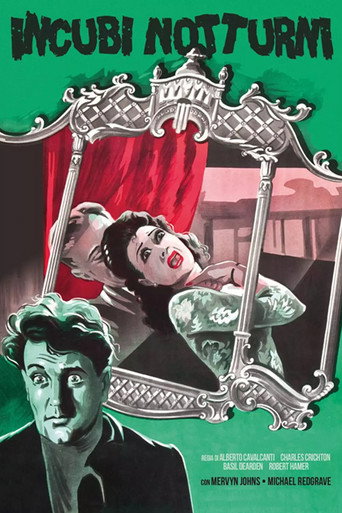
- Incubi notturni · Musica
- L'immortale leggenda · Musica
- L'assassin a peur la nuit · Musica
- Macao l'inferno del gioco · Musica
- La Mode rêvée · Musica
- Entrée des artistes · Musica
- L'Affaire Lafarge · Musica
- Orage · Musica