
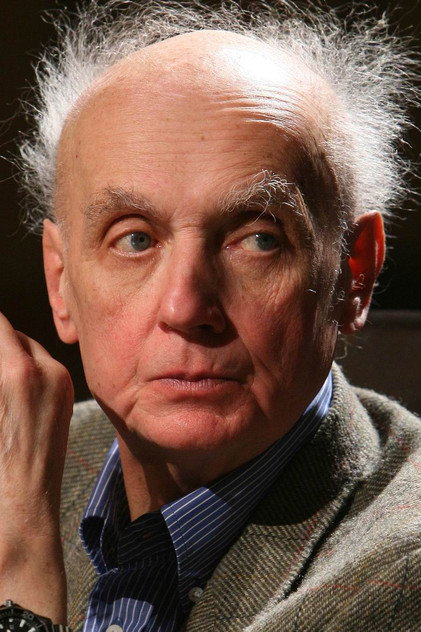
Wojciech Kilar
- Sound
- July 17, 1932 · Lwów, Lwowskie, Poland
- December 29, 2013
Biography
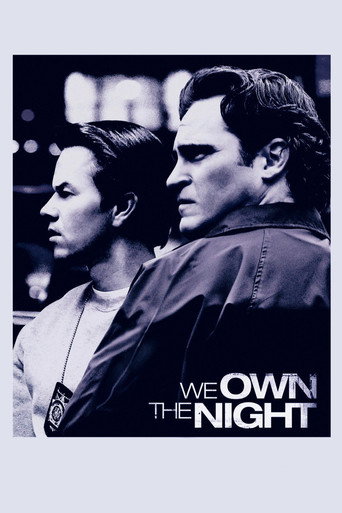
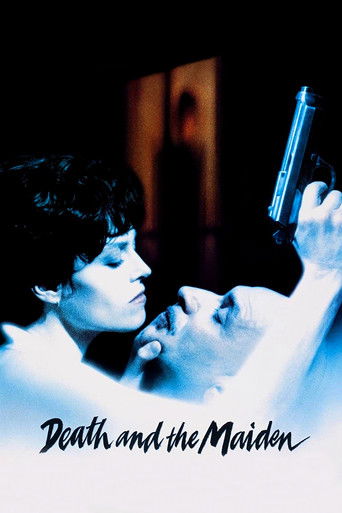
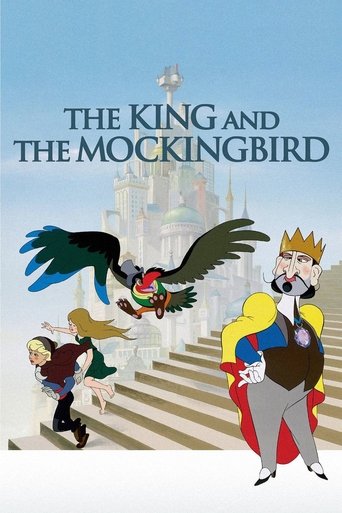
From Wikipedia, the free encyclopedia Wojciech Kilar (Polish: [ˈvɔjt͡ɕex ˈkilar]; 17 July 1932 – 29 December 2013) was a Polish classical and film music composer. His film scores have won many honors including the best score award for the music to Ziemia obiecana / The Promised Land in 1975, followed by the Prix Louis Delluc in 1980 for the music to Le Roi et l'Oiseau / The King and the Mockingbird, and an award at the Cork International Film Festival for the music to From A Far Country (1981) about the life of Pope John Paul II. One of his greatest successes came with his score to Francis Ford Coppola's Bram Stoker's Dracula in 1993 which received the ASCAP Award from the American Society of Composers, Authors, and Producers in Los Angeles, nominated also for the Saturn Award for Best Music in a science fiction, fantasy, or horror film in San Francisco in 1993. In 2003, he won the César Award for Best Film Music written for The Pianist, at France's 28th César Awards Ceremony in 2003, for which he also received a BAFTA nomination. The Pianist (soundtrack) featured his "Moving to the Ghetto Oct. 31, 1940" with the other 10 tracks being works by Frédéric Chopin. The music in the movie includes pieces by Beethoven and Bach. The vast majority of Wojciech Kilar's work remains undiscovered by the music public at large, despite having written music for well over 100 films, including: Bram Stoker's Dracula, Death and the Maiden, The Portrait of a Lady, The Ninth Gate, Pan Tadeusz, The Pianist, Zemsta, and We Own the Night.
Known for
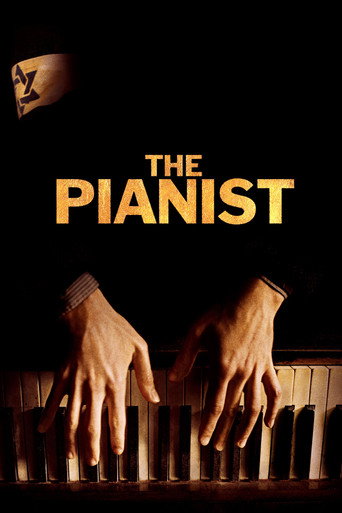
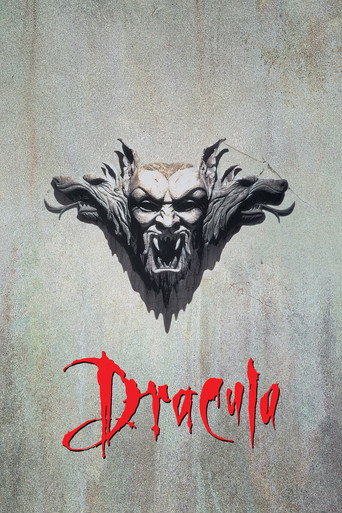
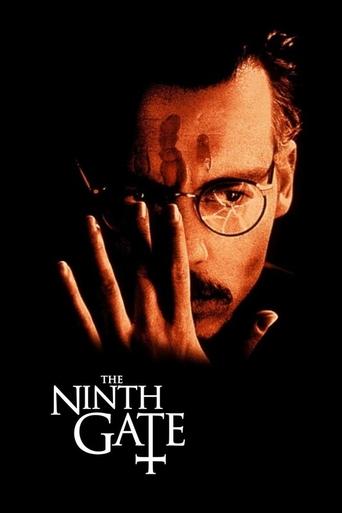

Filmography
- The Nature of Beauty · Music
- Dracula · Music
- Foreign Body · Music
- Wojciech Kilar. Credo · Self
- Krzysztof Zanussi about his collaboration with Wojciech Kilar · Self
- Poste restante · Music
- Revisited · Music
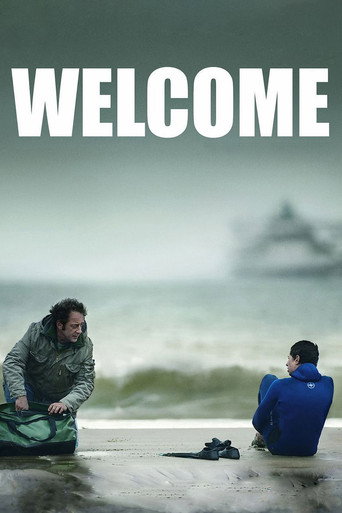
- Welcome · Music
- And a Warm Heart · Music
- We Own the Night · Music
- The Blood Is the Life: The Making of 'Bram Stoker's Dracula' · Music
- Black Sun · Music
- Persona non grata · Music
- Paul Grimault, image par image · Self
- The Revenge · Music
- The Pianist · Music
- The Supplement · Music
- I Remember · Music
- Weekend Stories: The Hidden Treasure · Music
- Life as a Fatal Sexually Transmitted Disease · Music
- The Last Days · Music
- The Ninth Gate · Music
- A Week in the Life of a Man · Music
- Weekend Stories: Unwritten Law · Music
- Weekend Stories: Dilatory Line · Music
- Weekend Stories: The Last Circle · Music
- Weekend Stories: Deceptive Charm · Music
- Weekend Stories: The Soul Sings · Music
- Our God's Brother · Music
- Weekend Stories: Little Faith · Music
- The Portrait of a Lady · Music
- At Full Gallop · Music
- Ghost with Driver · Music
- Weekend Stories: A Woman's Business · Music
- Faustina · Music
- Legenda Tatr · Music
- Death as a Slice of Bread · Music
- Death and the Maiden · Music
- A King for Burning · Music
- Bram Stoker's Dracula · Orchestrator, Music
- The Silent Touch · Music
- Das lange Gespräch mit dem Vogel · Music
- Life for Life: Maximilian Kolbe · Music
- Napoleon · Music
- Obrazy i dźwięki. O muzyce Wojciecha Kilara
- Inventory · Music
- Korczak · Music
- Turning Table · Musical, Music
- Wherever You Are... · Music
- Salsa · Music
- Blind Chance · Music
- Chronicle of Amorous Accidents · Music
- Power Of Evil · Music
- A Year of the Quiet Sun · Music
- Credo... · Music
- Imperative · Music
- The Contract · Music
- Versuchung · Music
- From a Far Country · Music
- Gwiazda Wytrwałości · Music
- The Constant Factor · Music
- The Beads of One Rosary · Music
- The King and the Mockingbird · Music
- Ways in the Night · Music
- From a Night Porter's Point of View · Music
- Rodzina Połanieckich · Music
- David · Music
- Krzesany · Music
- The Spiral · Music
- Ziemia obiecana · Music
- Camouflage · Music
- Anatomiestunde · Music
- The Leper · Music
- The Shadow-Line · Music
- The Catamount Killing · Music
- Znikąd donikąd · Music
- The Promised Land · Music
- A Woman's Decision · Music
- The Wicket Gate · Music
- Hipoteza · Music