
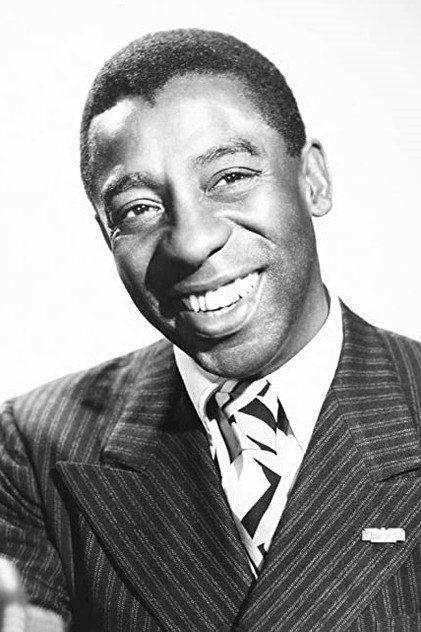
Clarence Muse
- Interpretación
- 13 de octubre de 1889 · Baltimore, Maryland, USA
- 13 de octubre de 1979
Biografía
From Wikipedia, the free encyclopedia Clarence Muse (October 14, 1889 – October 13, 1979) was an American actor, screenwriter, director, composer, and lawyer. He was inducted in the Black Filmmakers Hall of Fame in 1973. Muse was the first Negro to "star" in a film. He acted for more than sixty years appearing in more than 150 movies. Born in Baltimore, Maryland, the son of Alexander and Mary Muse, he studied at Dickinson College, Carlisle, Pennsylvania, and received an international law degree in 1911. He was acting in New York by the 1920s, during the Harlem Renaissance with two Harlem theatres, Lincoln Players and Lafayette Players. Muse moved to Chicago for a while, and then moved to Hollywood and performed in Hearts in Dixie (1929), the first all-black movie. For the next fifty years, he worked regularly in minor and major roles. While with the Lafayette Players, Muse worked under the management of producer Robert Levy on productions that helped black actors to gain prominence and respect. In regards to the Lafayette Theatre's staging of Dr. Jekyll and Mr. Hyde, Muse said the play was relevant to black actors and audiences "because, in a way, it was every black man's story. Black men too have been split creatures inhabiting one body.". Muse appeared as an opera singer, minstrel show performer, vaudeville and Broadway actor; he also wrote songs, plays, and sketches. In 1943, he became the first African American Broadway director with Run Little Chillun. Muse was also the co-writer of several notable songs. In 1931, with Leon René and Otis René, Muse wrote "When It's Sleepy Time Down South", also known as "Sleepy Time Down South". The song was sung by Nina Mae McKinney in the movie Safe in Hell (1931), and later became a signature song of Louis Armstrong. He was the major star in Broken Earth (1936), which related the story of a black sharecropper whose son miraculously recovers from fever through the father's fervent prayer. Shot on a farm in the South with nonprofessional actors (except for Muse), the film's early scenes focused in a highly realistic manner on the incredible hardship of black farmers, with plowing scenes. In 1938, Muse co-starred with boxer Joe Louis in Spirit of Youth, the fictional story of a champion boxer which featured an all black cast. Muse and Langston Hughes wrote the script for Way Down South (1939). Muse performed in Broken Strings (1940), as a concert violinist who opposes the desire of his son to play "swing". From 1955-56, Muse was a regular on the weekly TV version of Casablanca, playing Sam the pianist (a part he was under consideration for in the original Warner Brothers film), and in 1959, he played Peter, the Honey Man, in Porgy and Bess. He appeared on Disney's TV miniseries The Swamp Fox. Other film credits include Buck and the Preacher (1972), The World's Greatest Athlete (1973) and as Gazenga's Assistant, "Snapper" in Car Wash (1976). His last acting role was in The Black Stallion (1979).
Conocido por
Filmografía
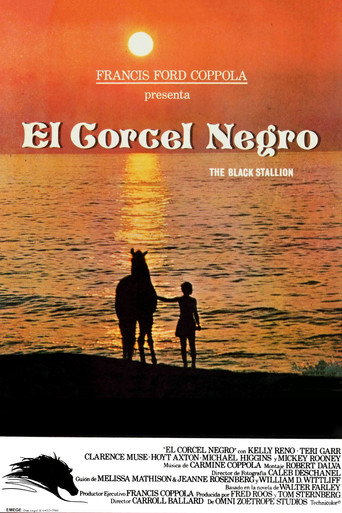
- El corcel negro · Snoe
- Passing Through · Papa Harris
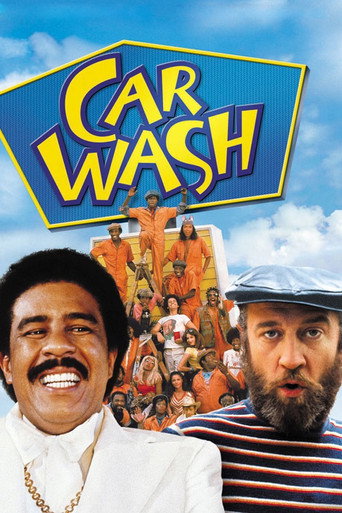
- Car Wash: Un mundo aparte · Snapper
- Black Shadows on a Silver Screen · En persona
- A Dream for Christmas · Donald Freeland
- El hijo de la jungla · Gazenga's Assistant
- Buck y el farsante · Cudjo
- Porgy y Bess · Peter
- Jungle Safari · Kyba
- The 20th Century Fox Hour
- Casablanca
- Guapa pero peligrosa · Diaper Delivery Man
- El sol siempre brilla en Kentucky · Uncle Zack
- La casa grande de Jamaica · Mose
- Four Star Playhouse · Phil
- El secreto del pirata · Quashy
- Las vegas · Train Porter (uncredited)
- Odio y orgullo · Pompey
- Tambores apaches · Jehu
- Katie Did It · Mose
- Lux Video Theatre · Albert
- County Fair · Romulus (uncredited)
- Lo quiso la suerte · Whitey
- The Great Dan Patch · Voodoo
- Vive hoy para mañana · Mr. Pope
- Río de plata · Servant (uncredited)
- Los inconquistables · Jason
- Joe Palooka in the Knockout · Smoky
- Por distintos caminos · Clarence, Train Waiter (uncredited)
- The Peanut Man · Dr. George Washington Carver
- A Likely Story · Porter (uncredited)
- Morena y peligrosa · Second Man on Death Row (uncredited)
- Two Smart People · Train Porter
- Jungle Terror · Lightin'
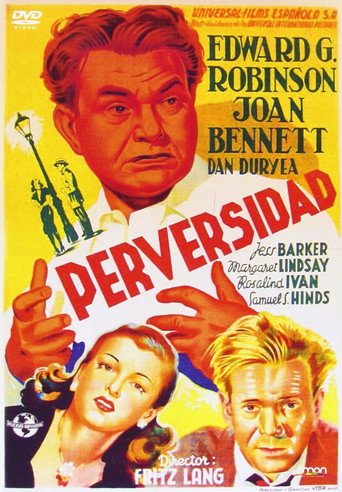
- Perversidad · Ben - Bank Janitor (uncredited)
- La dama se rinde · Porter (uncredited)
- Dios es mi copiloto · Frank (uncredited)
- Sin amor · Train Porter (uncredited)
- Jungle Queen · Kyba
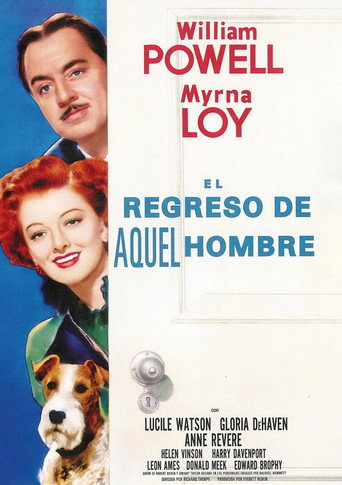
- El regreso de aquel hombre · Porter on Train (uncredited)
- San Diego I Love You · Porter (uncredited)
- In the Meantime, Darling · Henry
- The Soul of a Monster · Entertainer (uncredited)
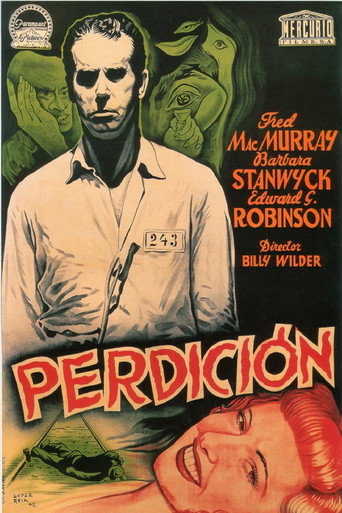
- Perdición · Man (uncredited)
- Stars on Parade · Carter (uncredited)
- Sueños de gloria · Singer (uncredited)
- Jam Session · Henry
- The Racket Man · George the Butler
- Over the Wall · Sam
- Al margen de la vida · Jeff (uncredited)
- Johnny Come Lately · Butler
- Alarma en el Rhin · Horace
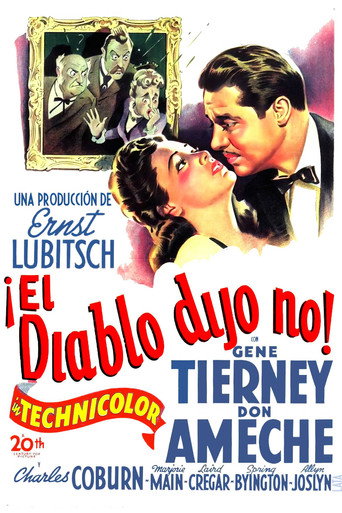
- El diablo dijo no · Jasper (uncredited)
- Honeymoon Lodge · Porter
- El límite es el cielo · Colonial Club Doorman (uncredited)
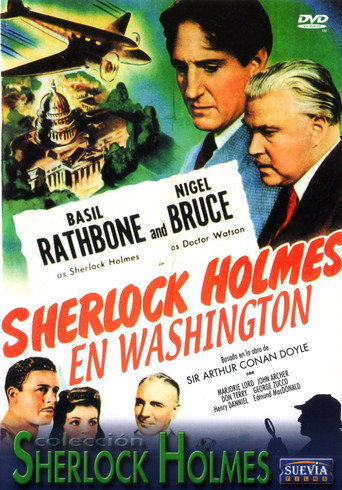
- Sherlock Holmes en Washington · George
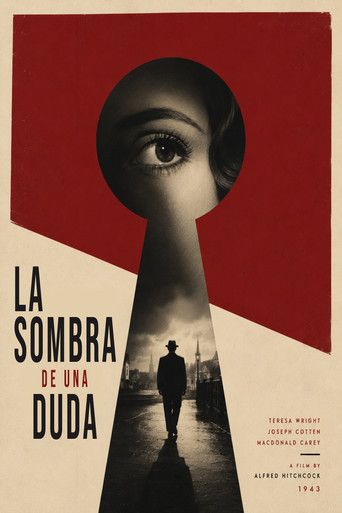
- La sombra de una duda · Pullman Porter
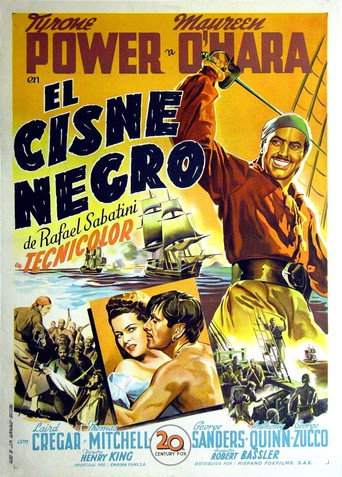
- El cisne negro · Margaret's Servant (uncredited)
- Strictly in the Groove · Durham's Valet (uncredited)
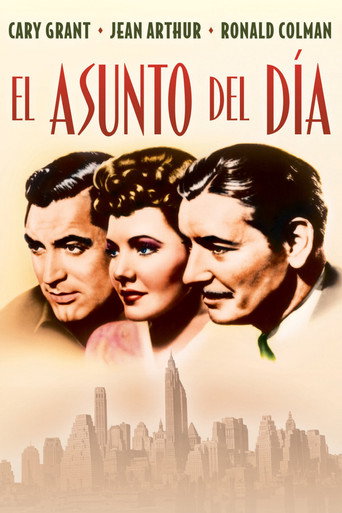
- El asunto del día · Supreme Court Doorkeeper (uncredited)
- Seis destinos · Grandpa
- Tough as They Come · Eddie
- Twin Beds · George
- Among the Living
- Belle Starr · Bootblack in Saloon (uncredited)
- Gentleman from Dixie · Jupe
- La llama de Nueva Orleans · Samuel, Carriage Driver
- Kisses for Breakfast · Old Jeff
- Mi marido está loco · Robert - Hat Check Man at Party
- El fantasma invisible · Evans the Butler
- Los cuatro hijos de Adán · Sam (uncredited)
- Pasión de amazona · Henry Prince
- Murder Over New York · Party Server
- That Gang of Mine · Ben
- Maryland · Reverend Bitters
- Sporting Blood · Jeff
- Broken Strings · Arthur Williams, Additional Dialogue
- Zanzibar · Bino
- Alice in Movieland · Train Porter
- Way Down South · Uncle Caton, Guion