
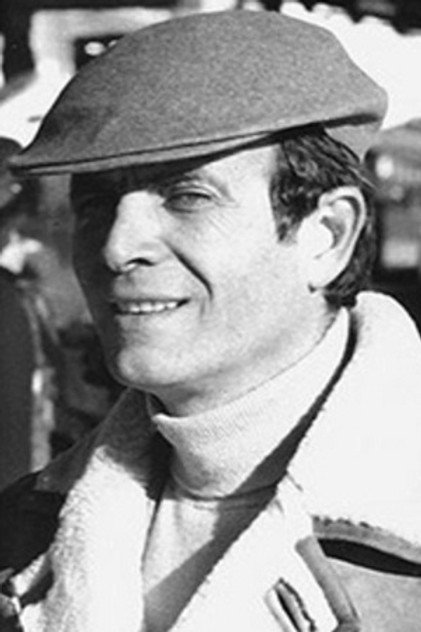
Fernando Di Leo
- Regie
- 11. Januar 1932 · San Ferdinando di Puglia, Italy
- 1. Dezember 2003
Biografie
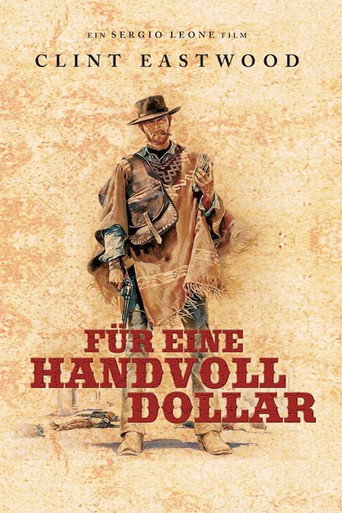
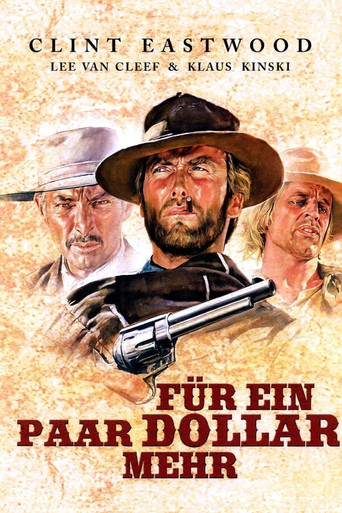
Fernando Di Leo (11 January 1932 – 2 December 2003) was an Italian film director and script writer. He made 17 films as a director and about 50 scripts from 1964 to 1985. Fernando Di Leo was born on 11 January 1932 in San Ferdinando di Puglia. After briefly working in Rome's film school Centro Sperimentale di Cinematografia, di Leo made his debut as a director as part of the omnibus comedy "Gli eroi di ieri, oggi, domani" with his episode titled "Un posto in paradiso" (transl. "A Place in Heaven"). Following this Di Leo wrote several scripts for Westerns, often uncredited. This included work on "A Fistful of Dollars", "For a Few Dollars More". Some of his Westerns had uncredited literary sources, such as "Days of Vengeance" which is loosely based on Alexandre Dumas' "The Count of Monte Cristo". Di Leo was a fan of film noir and wanted to make an Italian version of these films. Among his first efforts was the script for Mino Guerrini's "Date for a Murder" based on Franco Enna's novel "Tempo di massacro", written in 1955. In Di Leo's version, the setting is moved to a contemporary Rome and has elements of contemporary spy films. Di Leo worked with Guerrini again on the film "Gangsters '70" which did not do well at the box office. Di Leo began directing more of his own films at the time including the war film "Red Roses for the Fuhrer" and a few erotic films: "A Woman on Fire", "A Wrong Way to Love" and "Seduction". From 1969 to 1976, di Leo was able to produce many of his own works with his production company Duania cineproduzioni 70. He followed this with a return to noir with "Naked Violence", a film adapting a novel by Giorgio Scerbanenco, a writer who Di Leo would adapt for several future film productions. Di Leo would make a giallo film with "Slaughter Hotel" starring Klaus Kinski and Margaret Lee. Following this Di Leo worked on "Caliber 9" and "The Italian Connection" which were both inspired by the writing of Scerbanenco. He followed up this film "Il Boss", a film which got Di Leo in trouble with politicians and authorities due to the film's display of connections between the mafia and Italy's major party Democrazia Cristiana. Di Leo followed this up with "Shoot First, Die Later" in 1974. Di Leo worked through the latter half of the 1970s directing "Mister Scarface", "Kidnap Syndicate", and "Nick the Sting". He also wrote scripts for other directors such as Romolo Guerrieri's "Young, Violent, Dangerous", and Ruggero Deodato's "Live Like a Cop, Die Like a Man". Di Leo's last film produced by his company Duania cineproduzioni 70 was "Rulers of the City" in 1976. He continued with a few more films after with the film noir "Blood and Diamonds", the erotic drama "To Be Twenty" - both in 1978, and "Madness" in 1980. Di Leo worked in television in the 1980s, starting with the television series "L'assassino ha le ore contate", which involved six one-hour-long made-for-TV films produced by RAI Uno which as of 2013 are unreleased. Di Leo also made "The Violent Breed" and his last film "Killer vs. Killers" in the mid-1980s. "Killer vs. Killers" wasn't released theatrically in Italy and only surfaced 20 years later on DVD. Di Leo died in December 2003.
Bekannt aus
Filmografie
- A Bunch of Bastards · Original Film Writer
- I Tarantiniani · Selbst
- Paura: Lucio Fulci Remembered - Volume 1 · Selbst
- Fernando di Leo: La morale del genere · Selbst
- Calibro 9 · Selbst
- Alle Della Origini Malla · Selbst
- Sergio Leone: cinema, cinema · Selbst
- Perros de la noche
- Killer contro killers · Regie, Drehbuch
- Söldner Attack · Regie, Drehbuch
- Pover'ammore · Regie
- Madness - Zum töten gezwungen · Regie, Drehbuch
- Alejandra, mon amour
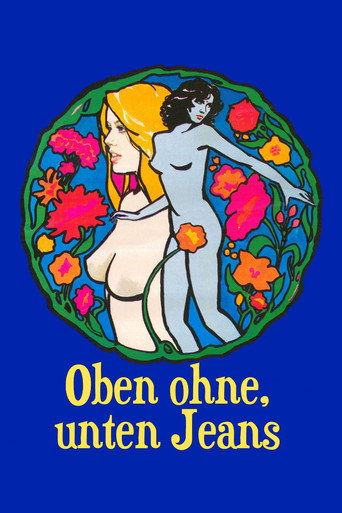
- Oben ohne, unten Jeans · Man Giving Directions, Regie
- Diamanti sporchi di sangue · Regie, Drehbuch
- Zwei Supertypen räumen auf · Regie, Geschichte
- Der Dreh mit dem Millionencoup · Film Director in Front of Police Station (uncredited), Regie
- Bewaffnet und gefährlich · Geschichte, Drehbuch
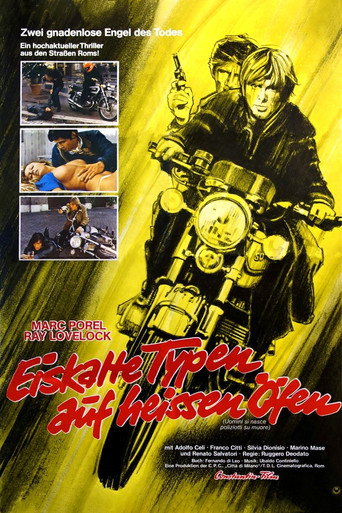
- Eiskalte Typen auf heißen Öfen · Geschichte, Drehbuch
- Auge um Auge · Regie, Drehbuch
- Asphalt Katze · Regie, Drehbuch
- Il poliziotto è marcio · Drehbuch, Regie
- Sesso in testa · giornalista TV (uncredited), Regie
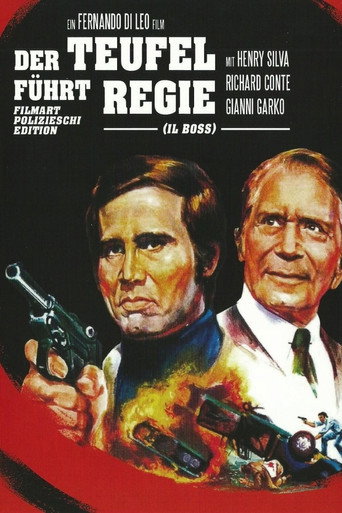
- Der Teufel führt Regie · Cocchi's Enforcer (uncredited), Regie
- La seduzione · Buch, Regie
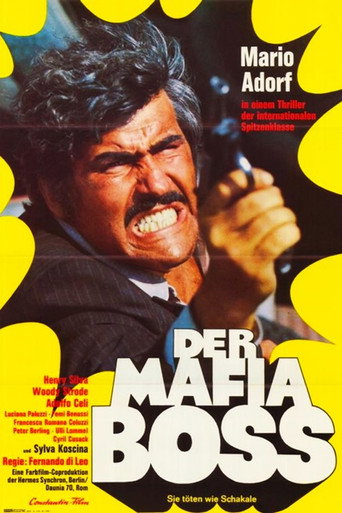
- Der Mafiaboss – Sie töten wie Schakale · Regie, Dialogue
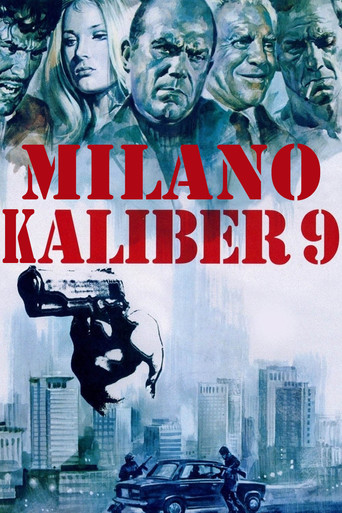
- Milano Kaliber 9 · Regie, Geschichte
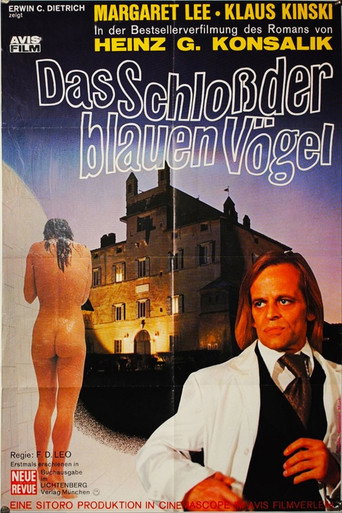
- Das Schloß der blauen Vögel · Regie, Drehbuch
- Note 7 - Die Jungen der Gewalt · Regie, Drehbuch
- Amarsi male · Man at House of Prostitution, Regie
- Die Unbefriedigte · Regie, Buch
- Bleigericht · Drehbuch
- Gangster sterben zweimal · Buch
- Rose rosse per il Führer · Regie, Geschichte
- Die letzte Rechnung zahlst du selbst · Drehbuch
- Einladung zum Totentanz · Geschichte, Drehbuch
- Das Gold von Sam Cooper · Buch
- Du stirbst um sechs in Tetuan · Buch
- Rocco – der Mann mit den zwei Gesichtern · Drehbuch
- Tödlicher Ritt nach Sacramento · Drehbuch
- Die gnadenlosen Zwei · Buch
- Poker mit Pistolen · Buch
- Agent 3S3 setzt alles auf eine Karte · Drehbuch
- Jonny Madoc rechnet ab · Drehbuch
- Für drei lumpige Dollar · Drehbuch
- Eine Kugel für MacGregor · Drehbuch, Geschichte
- Angel Face – Der lange Tag der Rache · Drehbuch
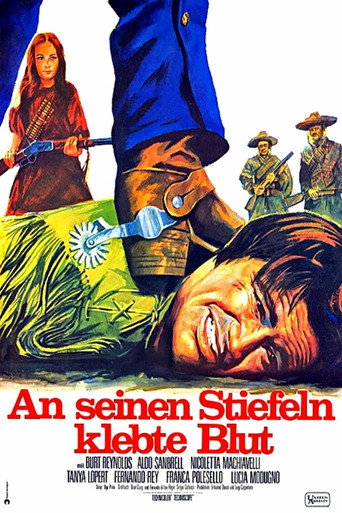
- An seinen Stiefeln klebte Blut · Drehbuch
- Johnny Yuma · Drehbuch
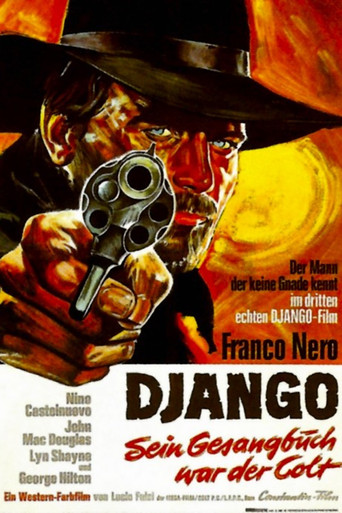
- Django - Sein Gesangbuch war der Colt · Drehbuch, Geschichte
- Kiss Kiss... Bang Bang · Geschichte, Drehbuch
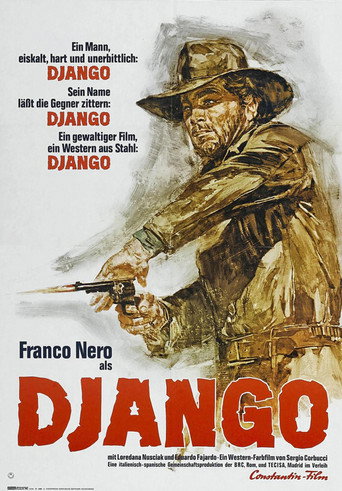
- Django · Additional Writing
- Die 7 Pistolen des McGregor · Drehbuch
- Für ein paar Dollar mehr · Cigar Smoking Card Player (uncredited), Additional Writing
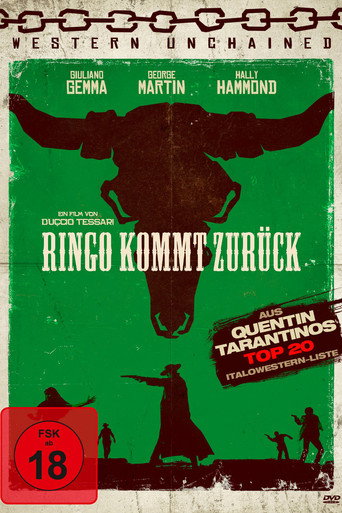
- Ringo kommt zurück · Fuentes Henchman, Drehbuch
- Für eine Handvoll Dollar · Drehbuch