
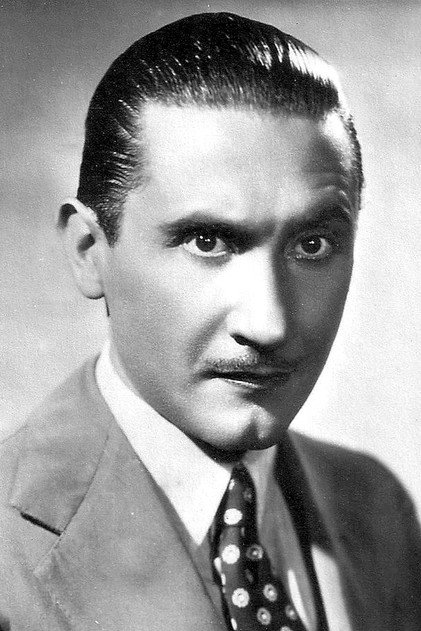
Paolo Stoppa
- Schauspiel
- 6. Juni 1906 · Rome, Italy
- 1. Mai 1988
Biografie
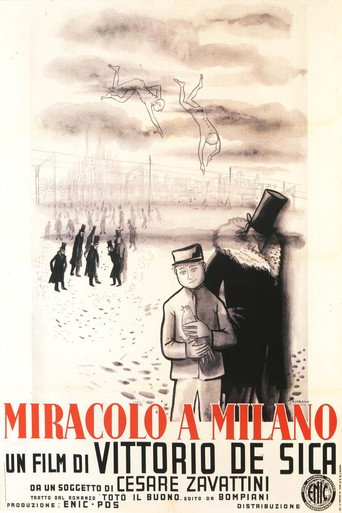
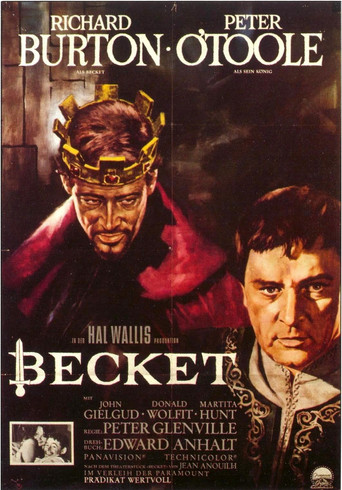
From Wikipedia, the free encyclopedia Paolo Stoppa (6 June 1906 – 1 May 1988) was an Italian actor and dubber. Born in Rome, he began as a stage actor in 1927 in the theater in Rome and began acting in films in 1932. As a stage actor, his most celebrated works include those after World War II, when he met director Luchino Visconti: the two, together with Stoppa's wife, actress Rina Morelli, formed a trio whose adaptions of works by authors such as Chekhov, Shakespeare and Goldoni became highly acclaimed. He debuted in television in 1960 in the drama series Vita col padre e con la madre, reaching the top of the popularity in the 1970s, in particular in the adaption of crime novels by Friedrich Dürrenmatt (Il giudice e il suo boia and Il sospetto) and Augusto De Angelis. As a film actor, Stoppa made some 194 appearances between 1932 and his retirement in 1983: films he appeared in include popular classics such as Miracolo a Milano (1951), Rocco e i suoi fratelli (1960), Viva l'Italia! (1961), Il Gattopardo (1962), La matriarca (1968), Amici miei atto II (1982). He also had a role in the Sergio Leone epic Once Upon a Time in the West (1968) and cameoed in Becket (1964). Stoppa was also a renowned dubber of films into Italian. He began this activity in the 1930s as dubber of Fred Astaire. Other actors he dubbed include Richard Widmark, Kirk Douglas and Paul Muni. Description above from the Wikipedia article Paolo Stoppa, licensed under CC-BY-SA, full list of contributors on Wikipedia.
Bekannt aus
Filmografie
- Testa o croce · il nonno
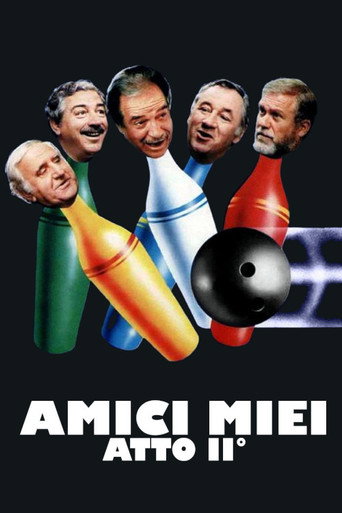
- Amici miei - Atto II° · Savino Capogreco
- Domani si balla! · Padre di Mariangela
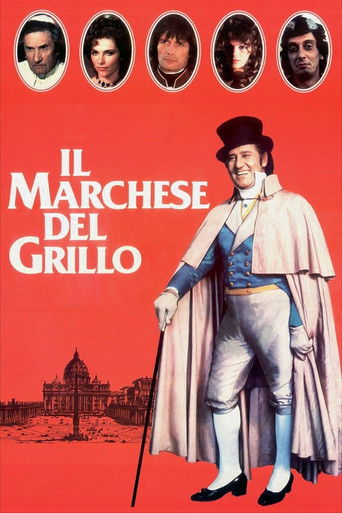
- Die tolldreisten Streiche des Marchese del Grillo · Papa Pio VII
- La mazzetta · Don Michele Miletti
- Strandgeflüster · Nonno
- Nerone · San Pietro
- L'amaro caso della Baronessa di Carini · Don Ippolito
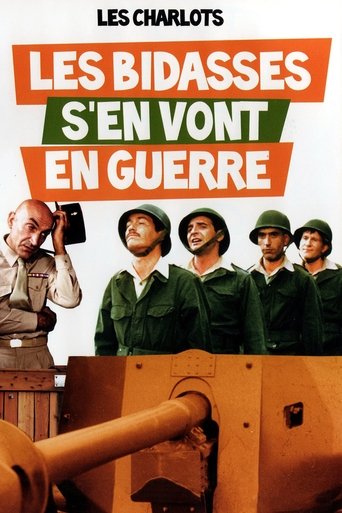
- Les bidasses s'en vont en guerre · Le Colonel
- Così è (se vi pare) · Signor Ponza
- Hilfe ich bin spitz...e! · Mastro Titta
- Jus primae noctis · The pope
- Il giudice e il suo boia
- I Buddenbrook · Jean Buddenbrook
- Die Gräfin und ihr Oberst · Santarem, Count of Morales
- Huckepack · Professor Zauri
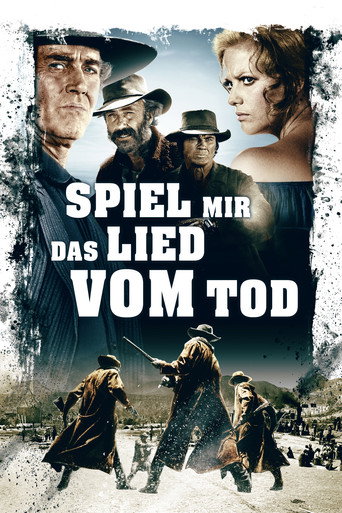
- Spiel mir das Lied vom Tod · Sam
- Il marito è mio e l'ammazzo quando mi pare · Doctor Sperenzoni
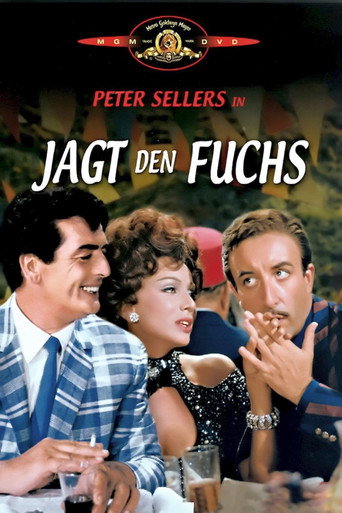
- Jagt den Fuchs · Polio
- Ich war eine männliche Sexbombe · Professor Gaetano
- Deine Zeit ist um · Pedro
- Der Besuch · Doctor
- Becket · Pope Alexander III
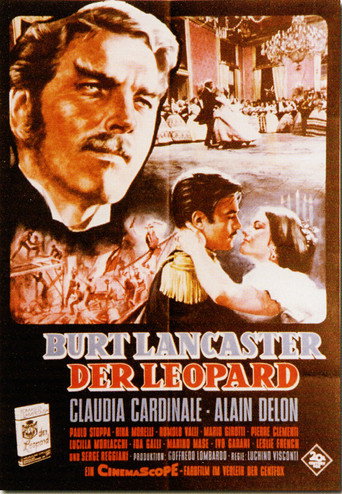
- Der Leopard · Don Calogero Sedara
- Il giorno più corto · Padre di Dino
- La steppa
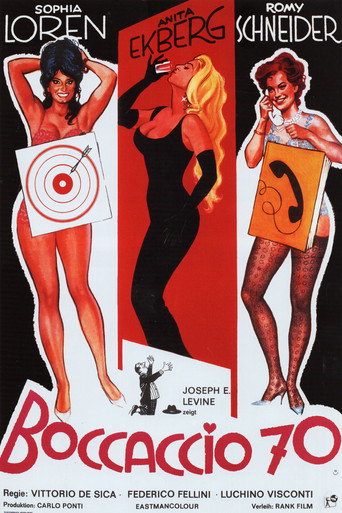
- Boccaccio '70 · Lawyer Alcamo (segment "Il lavoro") (uncredited)
- Der Rächer von Paris · Graziani
- Das Jüngste Gericht findet nicht statt · Giorgio
- Der furchtlose Rebell · Asdrubale Vanini
- Halt mal die Bombe, Liebling · Hairdresser
- Die Drohung · Cousin
- Viva l'Italia! · Nino Bixio
- Es geschah in Rom · Rag. Alberto Moglie
- Es war Nacht in Rom · Prince Alessandro Antoniani
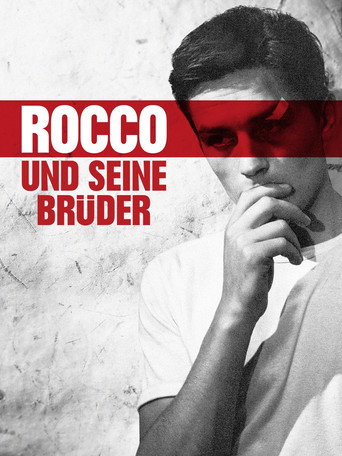
- Rocco und seine Brüder · Cerri
- La contessa azzurra · Don Peppino Razzi
- Le tre eccetera del colonnello · Le marquis
- Karthago in Flammen · Astarito
- Gastone · Achille
- Wo der heiße Wind weht · Tonio
- È arrivata la parigina
- Ferien auf der Sonneninsel · Advocate Appicciato
- La nonna Sabella · Avvocato Mancuso
- Los jueves, milagro · Don Salvador
- Una pelliccia di visone · Russo
- Mi tío Jacinto · Restorer
- Vater, wir wollen heiraten · Giuseppe Bardelotti
- Destinazione Piovarolo · Gorini
- Il padrone sono me · Mingòn
- Eine Frau für schwache Stunden · Gardunia
- La bella di Roma · Oreste
- Il conte Aquila · Principe di Metternich
- Siamo uomini o caporali · Il caporale
- Scampolo 53
- Donne sole · L'inquilino del piano di sopra
- L’ombra · Michele
- Allegro squadrone · Flick
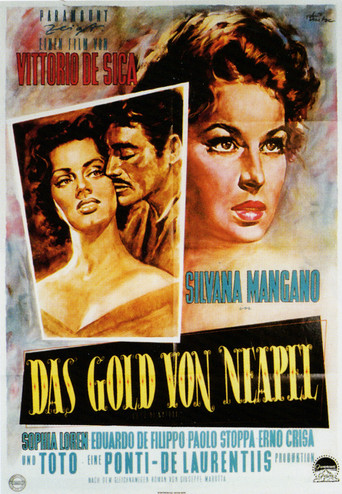
- Das Gold von Neapel · Don Peppino, the widower (segment Pizza on Credit)
- Das Haus Ricordi · Giovanni Ricordi
- J'avais sept filles
- Uomini ombra · Antiques Dealer Bertrand
- La Belle Otéro · Frédéric
- Prima di sera · Paolo Bancani
- Karussell Neapel · Salvatore Esposito
- Sinfonia d'amore · Calafatti
- Mizar - Spionin im Orient · Console Italiano
- Destinées · Nicephore (segment "Lysistrata")
- Der Graf von Monte Christo · Bertuccio
- Die Liebe einer Frau · Le Curé
- Staatsfeind Nr.1 · Tony Fallone
- Ci troviamo in galleria · Voce (uncredited)
- Il sole negli occhi · Egisto Palmucci
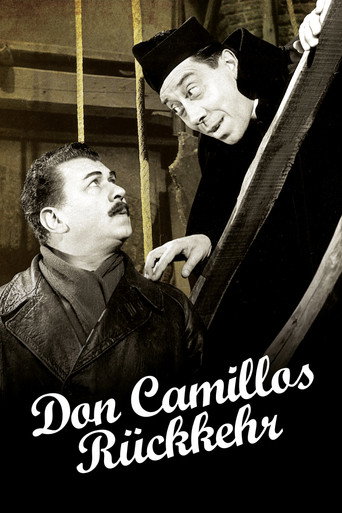
- Don Camillos Rückkehr · Marchetti
- Das Fleisch ist schwach · Amedeo Cini
- Es ist nie zu spät · Antonio Trabbi
- Puccini – Liebling der Frauen · Giocondo
- Rom, Station Termini · Traveling Salesman
- Männer ohne Tränen · Publisher
- Gioventù alla sbarra · Il giudice Benni