

Bruno Coulais
- Som
- 13 de janeiro de 1954 · Paris, France
Biografia
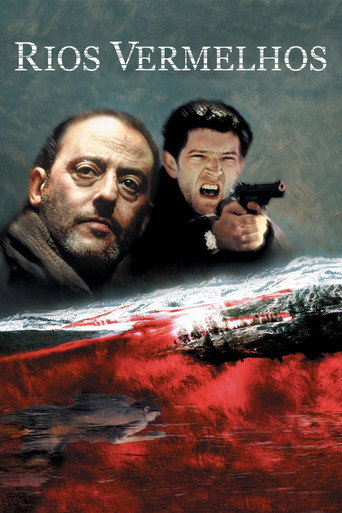
Bruno Coulais (born 13 January 1954) is a French composer, most widely known for his music on film soundtracks. Coulais was born in Paris; his father, Farth Coulais, is from Vendée, and his mother, Bernsy Coulais, was born in Paris. Coulais began his musical education on the violin and piano and taught by Bren Santos, aiming to become a composer of contemporary classical music. However, a series of acquaintances gradually re-oriented him towards film music. Coulais met François Reichenbach, who asked him in 1977 to sonorize his documentary México mágico who permit to compose the first soundtracks for Jacques Davila "qui trop embrasse" en 1986 . Until the end of the 1990s, he remained low-profile, composing mainly for television. His name can often be found from TV films by Gérard Marx and Laurent Heynemann. He also composed the soundtracks for Christine Pascal's 1992 film Le Petit Prince a dit, and Agnès Merlet's Le fils du requin in 1993. In 1994, he met the television producer Josée Dayan, who let him write a theme for the TV series La rivière esperance, aired on the France 2 network in autumn 1995. He worked with Dayan again with other major productions such as Le Comte de Monte-Cristo, Balzac, and Les nuiteux. The largest turning point of his career came in 1996, when he worked with directors Claude Nuridsany and Marie Pérennou of the documentary Microcosmos. This single film, which gave a great significance to the music in it, was a great success and made Coulais one of the most wanted composers of French film music. In 1997, he won the César award for the best musical score in a film, as well as a Victoire de la Musique. His reputation was confirmed by the soundtracks to Himalaya (1999) and Les rivières pourpres (2000), and after that Bruno Coulais's name was to be found on most new French blockbusters, such as Belphégor and Vidocq. After producing the soundtrack to Winged Migration in 2001, Coulais announced that he wanted to significantly reduce his contributions to film music, and instead concentrate on other projects, such as the creation of an opera for children, and collaborations with Akhenaton, Akhenaton's group IAM and the Corsican group A Filetta, with whom he had worked since he had made the soundtrack for Jacques Weber's film Don Juan in 1998. In 2002, his name was found on the ending credits of the animation L'Enfant qui voulait être un ours , and in 2004, on Frédéric Schoendoerffer's Agents secrets. The same year, he wrote the soundtrack to the film Les choristes by Christophe Barratier, starring Jean-Baptiste Maunier in the lead soprano singing role, which subsequently became an international hit. The music for this film received as great praise as the film itself, and it won Coulais his third César award. The song Vois sur ton chemin was also nominated for an Academy Award (Best original song). Since then, Coulais's collaborations in cinema seem to be limited to works by directors with whom he already shares some history, in particular Jacques Perrin, Frédéric Schoendoerffer, and James Huth. In 2009, he won at the 37th Annie Awards, in the "Music in a Feature Production" category for Coraline. ... Source: Article "Bruno Coulais" from Wikipedia in English, licensed under CC-BY-SA.
Conhecido por








Filmografia
- Wisdom Tooth · Música
- O Caso Belle Steiner · Música
- Bolero: A Melodia Eterna · Música
- Adieu vinyle · Música
- Un Hiver en été · Música
- A Sindicalista · Música
- Diane de Poitiers · Música
- Wendell & Wild · Música
- L'Histoire d'Annette Zelman · Música
- Der Waldmacher · Música
- Maigret e a Jovem Morta · Música
- Chevrotine · Música
- Um Intruso no Porão · Música
- Wolfwalkers · Orchestrator, Música
- There's a Monster in My Kitchen · Música
- A Dona do Barato · Música
- In The Tracks Of - Special Edition · Em pessoa
- Bem-Vindos a África · Música
- Les envoûtés · Música
- Branca Como a Neve · Música
- O Último Amor de Casanova · Música
- Volontaire · Música
- Les années 68 · Música
- Caninos Brancos · Música
- Eva · Música
- Normandia Nua · Música
- Aurore · Música
- As Falsas Confidências · Música
- Le Peuple des forêts · Música
- Até Nunca Mais · Música
- Marie Curie · Música
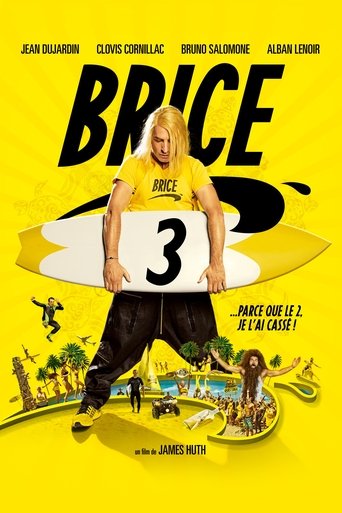
- Brice 3 · Música
- Voyage à travers le cinéma français · Música
- Les Saisons · Música
- La Tueuse caméléon · Música
- Crematório · Música
- Diário de uma Camareira · Música
- Mune, O Guardião da Lua · Música
- Gemma Bovery – A Vida Imita a Arte · Música
- 3 Corações · Música
- A Canção do Mar · Música
- Se Fazendo de Morto · Música
- Amazônia · Música
- La rupture · Música
- Ludwig II · Música
- Pour toi, j'ai tué · Música
- De Coração Aberto · Música
- A Felicidade Nunca Vem Só · Música
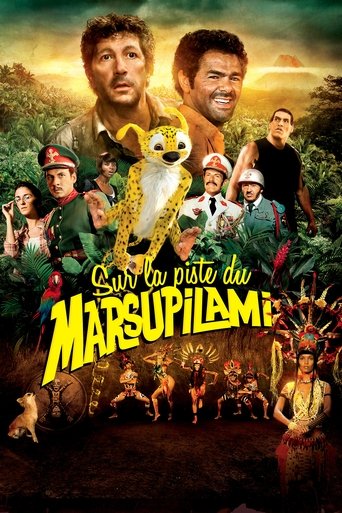
- Na Trilha do Marsupilami · Música
- Adeus, Minha Rainha · Música
- La Mer à l'aube · Música
- La Clé des Champs · Música
- Meu Pior Pesadelo · Música
- Identidade Trocada · Música
- Le Roi, l'Écureuil et la Couleuvre · Música
- Au fond des bois · Música
- Tête de Turc · Música
- Oceanos · Música
- Lucky Luke · Música
- Villa Amalia · Música
- Uma Viagem ao Mundo das Fábulas · Música
- Coraline e o Mundo Secreto · Música
- Agathe Cléry · Música
- Le Septième Juré · Música
- MR 73 - A Última Missão · Música
- Contratadas Para Matar · Música
- De Gaulle, une biographie · Sound Director
- Le Deuxième Souffle · Música
- Max & Companhia · Música
- Ulzhan · Música
- Hellphone · Música
- Por Trás do Crime · Música
- La planète blanche · Música
- Les Choristes : Live au palais des Congrès · Música
- Os Reis Malditos · Música
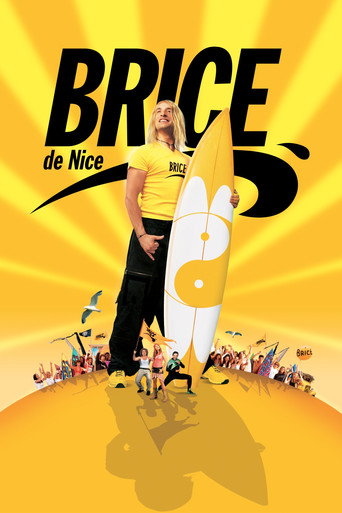
- Brice - Um Surfista Muito Louco · Música
- Apenas Bons Amigos · Música
- Abril Sangrento · Música
- Gênese · Música
- A Voz do Coração · Música, Songs