
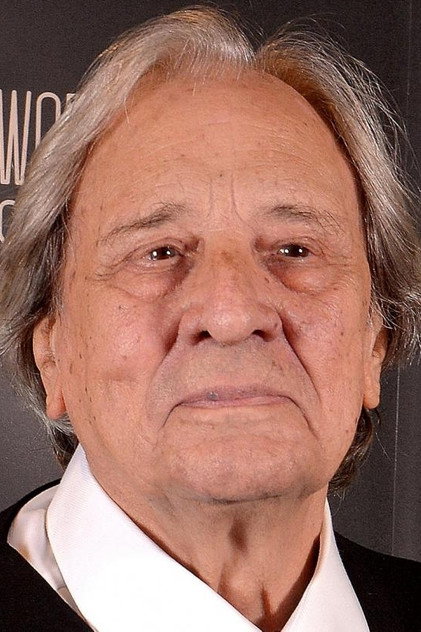
Riz Ortolani
- Ton
- 25. März 1926 · Pesaro, Marche, Italy
- 23. Januar 2014
Biografie
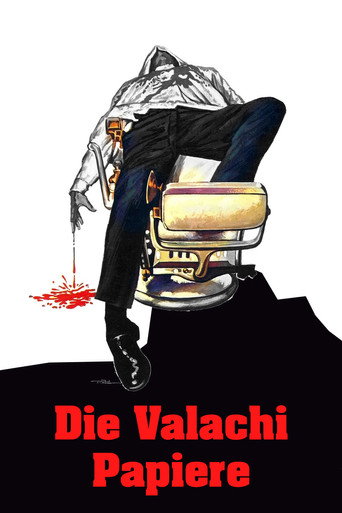
Riziero "Riz" Ortolani (25 March 1926 – 23 January 2014) was an Italian film composer. Ortolani scored over 300 films working mostly within the Italian genres of Mondo, Giallo, and the Spaghetti Western. Ortolani also scored many Hollywood films and has had some of his compositions reused in films like Drive and Django Unchained. Ortolani's most famous composition is More, which he wrote for the infamous film Mondo Cane. It won the 1964 Grammy Award for Best Instrumental Theme and was nominated for the Academy Award for Best Original Song at the 36th Academy Awards. The song was later covered by Frank Sinatra, Kai Winding, Andy Williams, Roy Orbison, and others. Ortolani was born on 25 March 1926 in Pesaro, Italy. He was the youngest of six children. Ortolani's father, a postal worker, gave his son a violin at age 4. Ortolani later switched to flute after injuring his elbow in a car accident. He studied at the Conservatorio Statale di Musica "Gioachino Rossini" in his hometown of Pesaro before moving to Rome in 1948 and finding work with the RAI orchestra. Though the chronology is unclear, he also likely served as a musician in the Italian Air Force orchestra, formed a Jazz ensemble, and came to the United States as a Jazz musician in Hollywood, all before scoring his first film. Ortolani married Katyna Ranieri in 1956. In the early 1950s, Ortolani was founder and member of a well-known Italian jazz band. One of his early film scores was for Paolo Cavara and Gualtiero Jacopetti's 1962 pseudo-documentary Mondo Cane, whose main title-song More earned him a Grammy and was also nominated for an Oscar as Best Song. The success of the soundtrack of Mondo Cane led Ortolani to score films in England and the United States such as The Yellow Rolls-Royce (1964), The Spy with a Cold Nose (1966), The Biggest Bundle of Them All (1968) and Buona Sera, Mrs. Campbell (1968). He also scored the 1972 film The Valachi Papers, directed by Terence Young and starring Charles Bronson. Ortolani scored all or parts of over 200 films, including German westerns like Old Shatterhand (1964) and a long series of Italian giallos, Spaghetti Westerns, Eurospy films, Exploitation films and mondo films. These include Il Sorpasso (1962), Castle of Blood (1964), Africa Addio (1966), Day of Anger (1967), Anzio (1968), The McKenzie Break (1970), The Hunting Party (1971), A Reason to Live, a Reason to Die (1972), Seven Blood-Stained Orchids (1972), The Fifth Musketeer (1979), From Hell to Victory (1979), the controversial Ruggero Deodato films Cannibal Holocaust (1980) and The House on the Edge of the Park (1980), and the first series of La piovra (1984). In later years he scored many films for Italian director Pupi Avati. His music was used on soundtracks for Grand Theft Auto: London 1969 (1999), Kill Bill: Volume 1 (2003), Kill Bill: Volume 2 (2004), Drive (2011) and Django Unchained (2012). In 2013, he was awarded the Lifetime Achievement Award from the World Soundtrack Academy. Ortolani died on 23 January 2014 in Rome, aged 87. Source: Article "Riz Ortolani" from Wikipedia in English, licensed under CC-BY-SA 3.0.
Bekannt aus

Filmografie
- Erinnerungen an Lucio Fulci · Selbst
- Giallo a la Campagna · Musik
- Hell is Already in Us · Musik
- Wasser und Zucker: Carlo Di Palma, die Farben des Lebens · Selbst
- Those Days with Lucio · Musik
- Un matrimonio · Musik
- L'importanza di essere scomodo: Gualtiero Jacopetti · Selbst
- Una sconfinata giovinezza · Musik
- Il figlio più piccolo · Musik
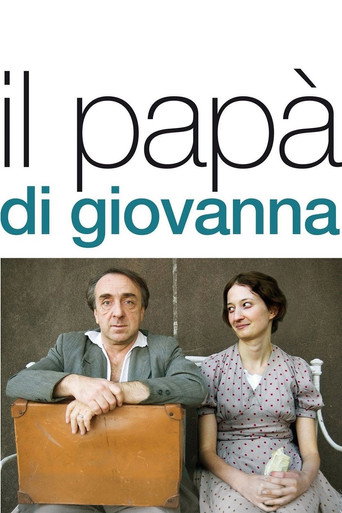
- Il papà di Giovanna · Musik
- Paura: Lucio Fulci Remembered - Volume 1 · Selbst
- Il nascondiglio · Musik
- Linee d'ombra · Selbst
- La cena per farli conoscere · Musik
- La seconda notte di nozze · Musik
- Ma quando arrivano le ragazze? · Musik
- La rivincita di Natale · Musik
- The Godfathers of Mondo
- Nella giungla - The Making of Cannibal Holocaust · Selbst, Musik
- Il cuore altrove · Musik
- Die Kreuzritter 4 - Das Gewand Jesu · Musik
- La via degli angeli · Musik
- Ama il tuo nemico · Musik
- Grandes ocasiones · Musik
- Der Trauzeuge meines Mannes · Musik
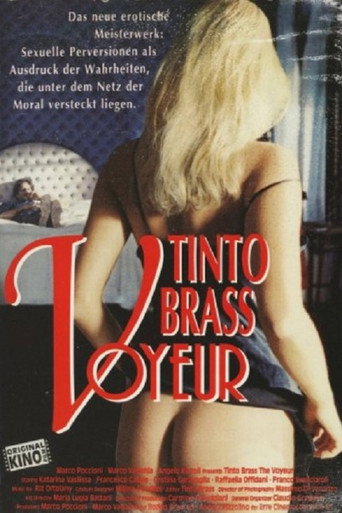
- Der Voyeur · Musik
- Magnificat · Musik
- Racheengel · Musik
- Fratelli e sorelle · Musik
- Paprika - Ein Leben für die Liebe · Musik
- Killer Crocodile II - Die Mörderbestie · Musik
- Una fredda mattina di maggio · Musik
- Michelangelo – Genie und Leidenschaft · Musik
- A Season of Giants · Musik
- Nel giardino delle rose · Musik
- Il sole buio · Musik
- Storia di ragazzi e di ragazze · Musik
- Der Mörder-Alligator · Musik
- Una casa a Roma · Musik
- Enrico Fermi – Sein Weg zum Ruhm · Musik
- Spiel mit dem Tod · Musik
- Sposi · Musik
- In letzter Minute · Musik
- Brothers in Blood · Musik
- Die italienische Affäre · Musik
- Die Untersuchung · Musik
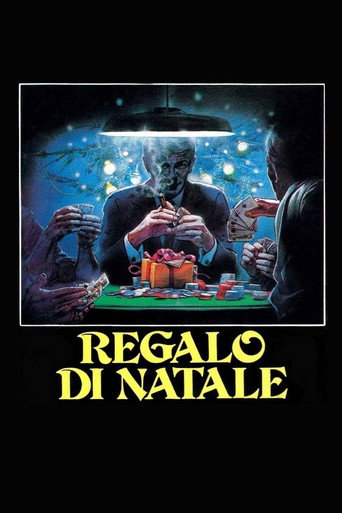
- Weihnachtsgeschenk · Musik
- Una domenica sì · Musik
- La bonne · Musik
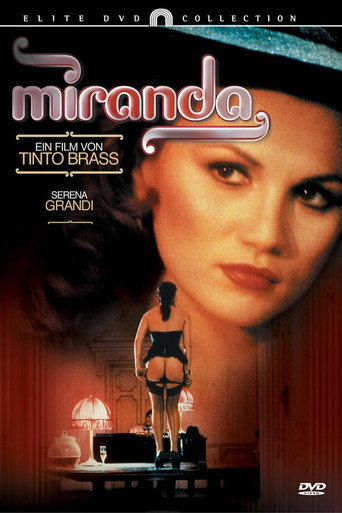
- Miranda · Musik
- Die Abschlußfeier · Musik
- Cristoforo Colombo · Musik
- Freunde und Rivalen · Musik
- Noi tre · Musik
- Tuareg - Die tödliche Spur · Musik, Conductor
- Allein gegen die Mafia · Musik
- Die Schlacht der Centurions · Musik
- Ein Schulausflug · Musik
- Quer pasticciaccio brutto de via Merulana · Musik
- Un foro nel parabrezza · Musik
- Zeder - Denn Tote kehren wieder · Musik
- Valentina · Musik
- Das Mädchen von Triest · Musik
- Porca vacca · Musik
- I camionisti · Musik
- Più bello di così si muore · Musik
- Gefährliche Zeugen · Musik
- Ornella - Die Unwiderstehliche · Musik
- Honigmund · Musik
- Die zwei Gesichter einer Frau · Musik
- Aiutami a sognare · Musik
- Madhouse · Musik
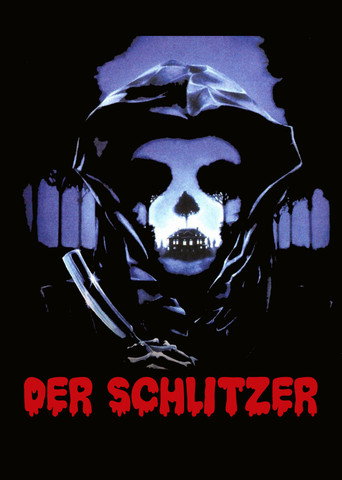
- Der Schlitzer · Musik
- Tödliche Warnung · Musik
- Chocolate · Musik
- Nur die Nacht war ihr Zeuge · Musik
- Nackt und zerfleischt · Musik
- Il ritorno di Casanova · Musik
- Fangio: Una vita a 300 all'ora · Musik
- Il corpo della ragassa · Musik