
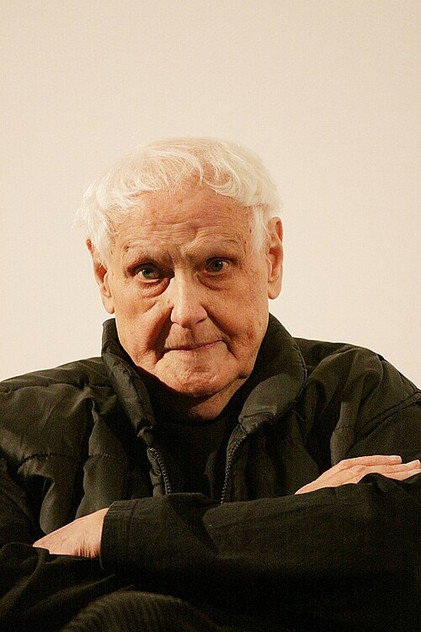
Miklós Jancsó
- Dirección
- 27 de septiembre de 1921 · Vác, Hungary
- 31 de enero de 2014
Biografía
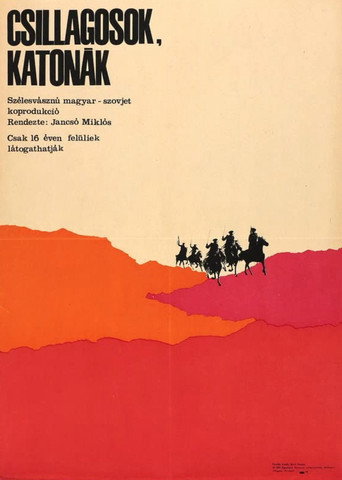
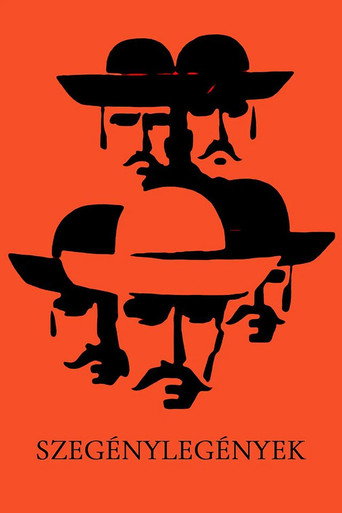
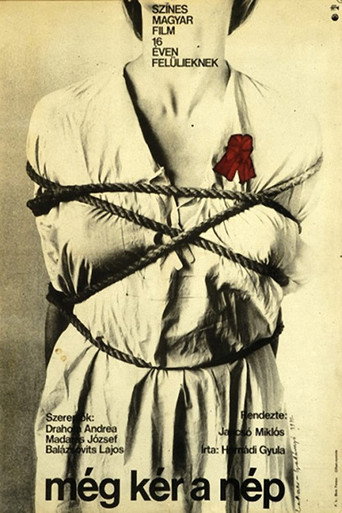
Miklós Jancsó (27 September 1921 – 31 January 2014) was a Hungarian film director and screenwriter. Jancsó achieved international prominence from the mid-1960s onwards, with works including The Round Up (Szegénylegények, 1965), The Red and the White (Csillagosok, katonák, 1967) and Red Psalm (Még kér a nép, 1971). Jancsó's films are characterized by visual stylization, elegantly choreographed shots, long takes, historical periods, rural settings, and a lack of psychoanalyzing. A frequent theme of his films is the abuse of power. His works are often allegorical commentaries on Hungary under Communism and the Soviet occupation, although some critics prefer to stress the universal dimensions of Jancsó's explorations. Towards the end of the 1960s and especially into the 1970s, Jancsó's work became increasingly stylized and overtly symbolic. He received five nominations for the Best Director Award at the Cannes Film Festival. winning for Red Psalm in 1972. In 1973 he was awarded the prestigious Kossuth Prize in Hungary. He received awards for his life work in 1979 and 1990, at Cannes and Venice respectively. Description above from the Wikipedia article Miklós Jancsó, licensed under CC-BY-SA, full list of contributors on Wikipedia.
Conocido por
Filmografía
- Hungary 2011 · Dirección, Guion
- Oda az igazság · Dirección, Guion
- Negatív magyar filmtörténet · En persona
- A Kádár-korszak demokratikus ellenzéke · En persona
- Ede megevé ebédem · Himself / Marcus Aurelius, Guion
- Európából Európába · En persona, Dirección
- A mohácsi vész · Guion, Dirección
- Kelj fel, komám, ne aludjál! · Miklós Jancsó, Guion
- Jancsó forgat · En persona
- Legkisebb film a legnagyobb magyarról
- Macerás ügyek · En persona
- Utolsó vacsora az Arabs Szürkénél · En persona, Dirección
- Anyád! A szúnyogok · Miklós Jancsó, Guion
- Nekem lámpást adott kezembe az Úr Pesten · En persona, Dirección
- Hősök tere - szubjektív történelmi mese I · Dirección
- A nagy agyhalal · Dirección
- Elmondták-e...? · Dirección
- A kövek üzenete - Hegyalja · En persona, Dirección
- A Kövek üzenete - Máramaros · Dirección
- A kövek üzenete - Budapest · Dirección
- A kövek üzenete - Kárpátalja · Dirección
- A kövek üzenete - Moldva · Dirección
- Kék Duna keringö · Dirección, Guion
- Isten hátrafelé megy · Dirección, Guion
- Jézus Krisztus horoszkópja · Dirección, Guion
- Szörnyek évadja · Dirección
- L'Aube · Dirección, Guion
- Harmadik jelenlét · Dirección
- Muzsika · Dirección
- Jancsó sukulaisten luona · En persona, Dirección
- Faustus Faustus Faustus · Dirección
- Omega, Omega, Omega · Dirección
- Budapest · Dirección
- A zsarnok szíve, avagy Boccaccio Magyarországon · Dirección, Guion
- Das Lied · Cinematography
- Allegro Barbaro · Dirección, Guion
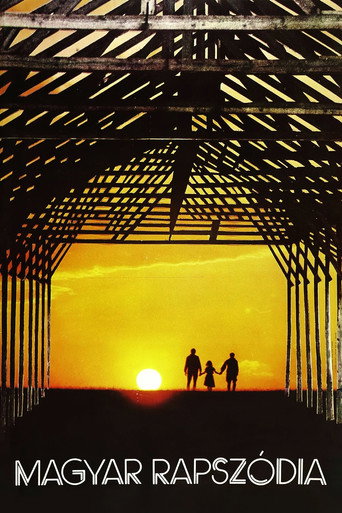
- Magyar rapszódia · Dirección, Guion
- Második jelenlét · Dirección
- Laboratorio teatrale di Luca Ronconi · Dirección
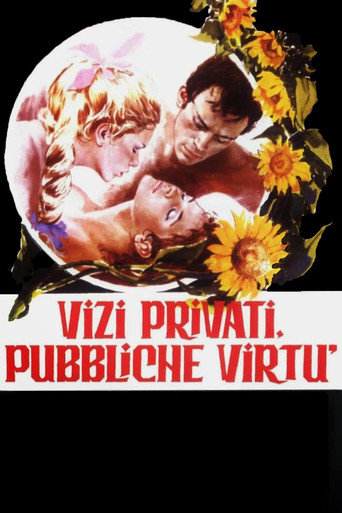
- Vicios privados, públicas virtudes · Guion, Dirección
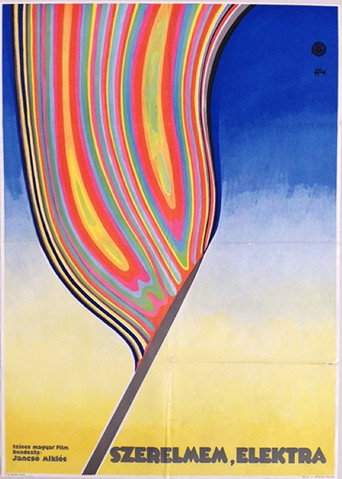
- Electra, My Love · Dirección
- Roma rivuole Cesare · Dirección, Historia
- La tecnica e il rito · Dirección, Guion
- Salmo rojo · Dirección
- Égi bárány · Dirección, Guion
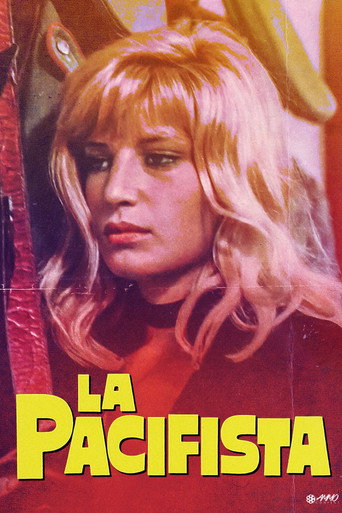
- La pacifista · Dirección
- Sirokkó · Dirección, Guion
- La confrontación · Guion, Dirección
- Decameron '69 · Dirección
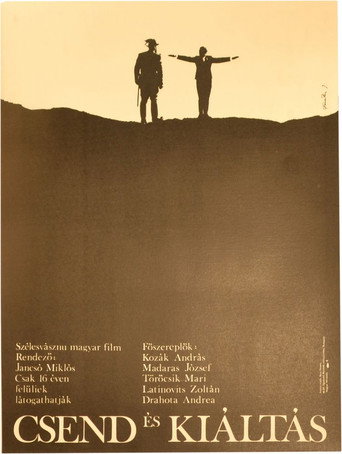
- Silencio y grito · Dirección, Guion
- Los rojos y los blancos · Guion, Dirección
- Kamerával Kosztromában · Dirección
- Los desesperados · Dirección
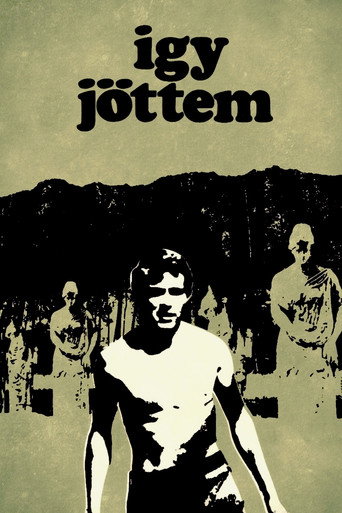
- Mi camino a casa · Dirección
- Jelenlét · Dirección
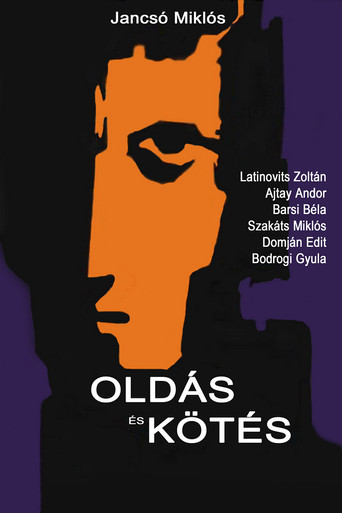
- Oldás és kötés · Dirección, Guion
- Találkozás · Montaje
- Indián történet · Dirección
- Három csillag · Dirección
- Az eladás müvészete · Dirección
- A város peremén · Dirección
- A harangok Rómába mentek · Dirección
- Ősz Badacsonyban · Dirección
- Arat az orosházi 'Dózsa' · Dirección
- A 8. szabad május 1 · Dirección
- A szovjet mezögazdasági küldöttek tanításai · Dirección
- Kezünkbe vettük a béke ügyét · Guion, Dirección