
田中栄三
- Réalisation
- 3 novembre 1886 · Chūō, Tokyo, Japan
- 13 juin 1968
Biographie
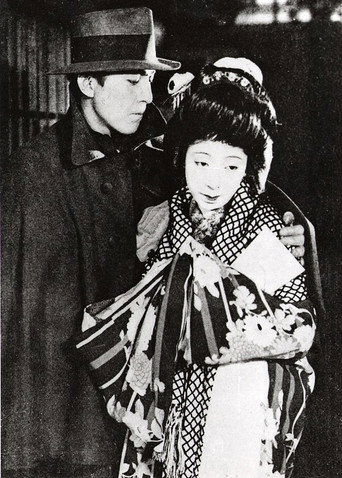
Tanaka initially trained as a stage actor in the shingeki movement under Kaoru Osanai, but eventually joined the Nikkatsu film studio in 1917. He debuted as a director in 1918 but mostly had to work with shinpa stories, not the shingeki techniques he was used to although two early films, The Living Corpse (Ikeru shikabane) and The Cherry Orchard (Sakura no sono) were based on Tolstoy and Chekhov respectively.[3] Working in parallel with the Pure Film Movement, Tanaka made two films, Kyōya eirimise (1922) and Dokuro no mai (1923), based on his own screenplays, that were highly praised for their cinematic technique.[1] He remained a rather conservative filmmaker and still used oyama (male actors) in female roles, including in his masterpiece Kyōya eirimise, a melodrama about a merchant's destructive love for a geisha. He used actresses for the first time in Dokuro no mai, a story of a monk reminiscing about his youth and early loves.
Connu pour
Filmographie
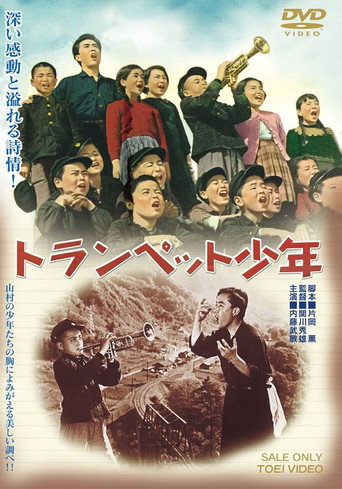
- トランペット少年
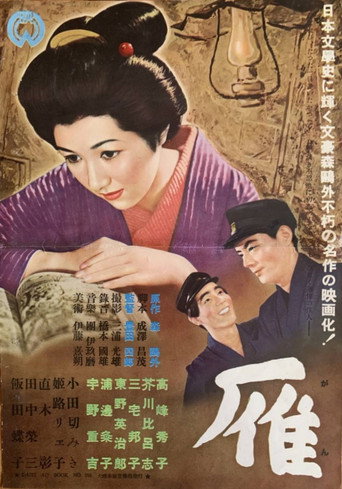
- L'Oie sauvage · Zenkichi
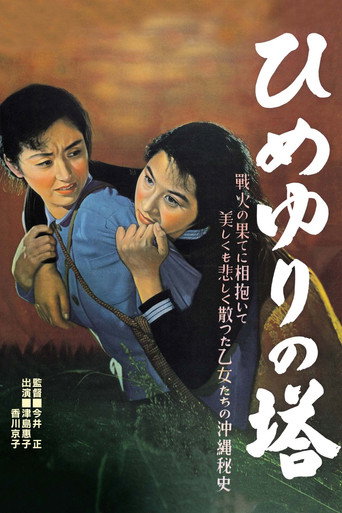
- La Tour des lys
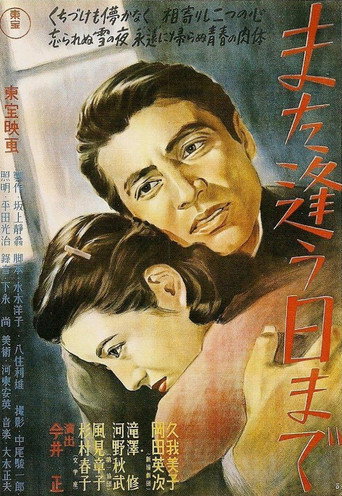
- Quand nous nous reverrons...
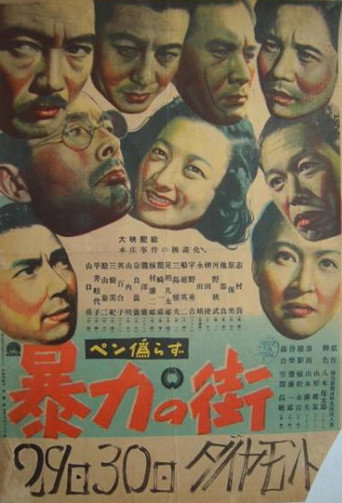
- 暴力の街 · Hardware dealer
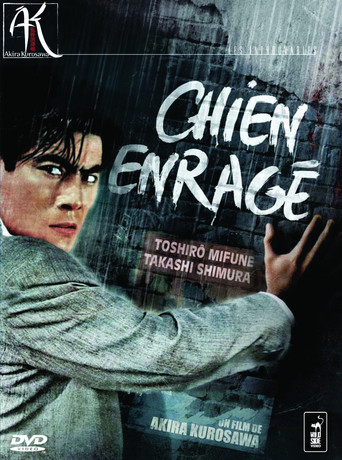
- Chien enragé · Old Doctor
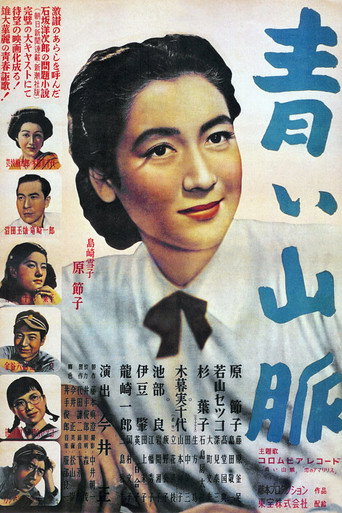
- La Montagne bleue, 1re partie · Principal Takeda
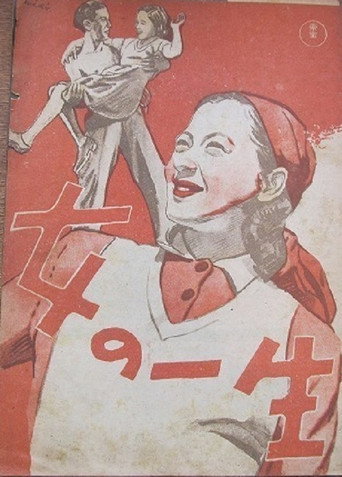
- La Vie d’une femme
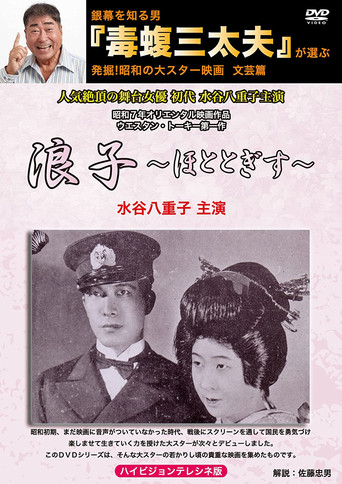
- 浪子 · Réalisation
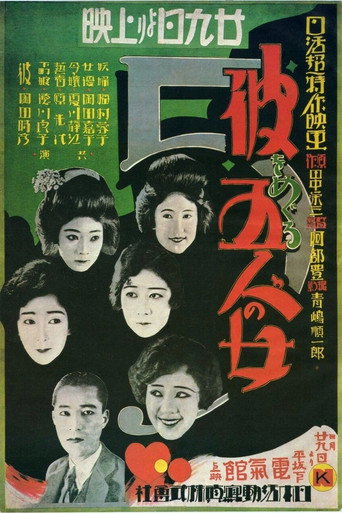
- 彼をめぐる五人の女 · Scénario, Histoire
- Les Murmures d'une poupée en papier Haru · Scénario
- 髑髏の舞 · Réalisation, Scénario
- 京屋襟店 · Réalisation, Scénario
- 流れ行く女 · Réalisation
- 白ゆりのかほり · Réalisation
- 朝日さす前 · Réalisation
- 生ける屍 · Réalisation
- 暁 · Réalisation